Why Choose Pipeline Steel for Oil and Gas Projects?
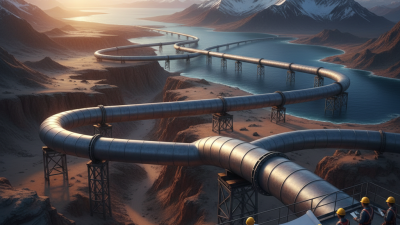
Choosing the right material can determine whether an oil and gas project remains reliable for decades. Pipeline Steel is widely selected because it combines strength, weldability, and resistance to demanding service conditions. These qualities matter when lines cross deserts, wetlands, rocky ground, and densely populated areas.
In practical projects, steel pipe must withstand internal pressure, temperature changes, soil movement, and transportation stress. Engineers evaluate grade, wall thickness, fracture toughness, corrosion control, and welding performance before approval. A well-designed pipeline also depends on qualified inspection, accurate coating application, and careful field installation. Small defects can become serious problems when pressure cycles repeat over time.
Performance matters most.
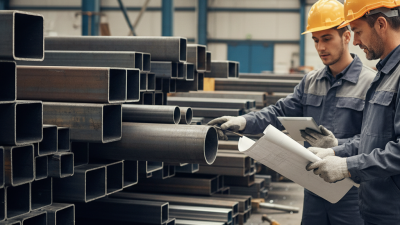
Yet Pipeline Steel is not automatically the best answer for every route. Design assumptions may overlook local geology, changing operating conditions, or maintenance limitations. That is why experienced teams combine laboratory data with field evidence and verified manufacturing records. They may review mill certificates, conduct non-destructive testing, and inspect welds before commissioning. These steps support traceability and public safety while aligning the project with recognized engineering standards.
The decision should remain evidence-based. A lower purchase price may hide higher welding, maintenance, or corrosion-control costs. Conversely, an advanced grade may be unnecessary for a stable, low-pressure application. Project owners, engineers, fabricators, and inspectors must consider the complete service life. When selected carefully, manufactured consistently, and installed responsibly, Pipeline Steel provides a practical foundation for dependable oil and gas transportation. Still, every project deserves fresh analysis rather than recycled assumptions.
What Is Pipeline Steel and Where Is It Used?
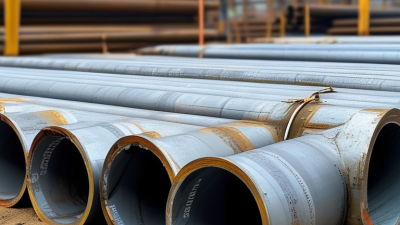
Pipeline steel is high-strength carbon steel engineered for transporting oil, natural gas, water, and hydrogen blends under pressure. It commonly follows API 5L requirements, with grades such as X52 and X65 offering different strength levels. Manufacturers also control toughness, weldability, wall thickness, and resistance to corrosion. These details matter when pipelines cross frozen ground, deserts, rivers, or busy urban areas.
Its main use is in long-distance transmission lines. Large-diameter pipe moves crude oil and gas from production fields to refineries, storage terminals, and power plants. Smaller lines support gathering systems and local distribution. The International Energy Agency’s World Energy Outlook 2024 indicates oil demand may remain close to 105 million barrels per day by 2030. That outlook helps explain continued pipeline maintenance and replacement needs. However, demand forecasts can shift. Steel selection should not depend on one scenario.
Tips: Match the steel grade to pressure, temperature, soil chemistry, and welding procedures. Check mill certificates, impact-test results, and coating quality. The U.S. PHMSA reports millions of miles of regulated pipelines across the country, showing how inspection and traceability affect real operating safety. In practice, a stronger grade is not automatically better. Poor welding, weak corrosion control, or incomplete records can still create serious problems. Engineers should review the full route, not only the pipe specification.
Why Choose Pipeline Steel for Oil and Gas Projects? - What Is Pipeline Steel and Where Is It Used?
| Pipeline Steel Category |
Typical Grade or Specification |
Minimum Yield Strength |
Minimum Tensile Strength |
Common Use |
Main Selection Benefits |
| Pipeline steel definition |
Line pipe manufactured for the transportation of oil, natural gas, water, and other fluids |
Depends on the selected grade |
Depends on the selected grade |
Gathering, transmission, and distribution pipelines |
Designed for internal pressure, structural loads, weldability, and long-distance service |
| Standard-strength line pipe |
API 5L Grade B |
Minimum 241 MPa |
Minimum 414 MPa |
Low-to-moderate pressure oil, gas, and water lines |
Established specification, good availability, and suitable weldability for general pipeline service |
| Medium-strength line pipe |
API 5L X42 |
Minimum 290 MPa |
Minimum 414 MPa |
Onshore gathering and transmission systems |
Balances strength, fabrication performance, and material cost |
| High-strength line pipe |
API 5L X60 |
Minimum 415 MPa |
Minimum 520 MPa |
Long-distance transmission and high-pressure pipeline sections |
Higher strength can support thinner walls or higher operating pressures, subject to design approval |
| High-strength transmission pipe |
API 5L X65 |
Minimum 448 MPa |
Minimum 531 MPa |
High-pressure gas and crude oil transmission lines |
Combines increased load capacity with efficient pipeline design |
| Very high-strength line pipe |
API 5L X70 |
Minimum 483 MPa |
Minimum 565 MPa |
Large-diameter, high-pressure transmission pipelines |
High strength-to-weight ratio and strong resistance to operational stresses when properly specified |
| Submerged and offshore pipeline steel |
API 5L PSL 2 or equivalent project specification |
Grade-dependent; commonly selected from X52 to X70 |
Grade-dependent; commonly selected from X52 to X70 |
Subsea flowlines, offshore export pipelines, and river crossings |
Tighter chemical, toughness, testing, and traceability requirements for demanding environments |
| Sour-service pipeline steel |
Line pipe qualified for hydrogen sulfide service |
Project- and grade-dependent |
Project- and grade-dependent |
Oil and gas pipelines carrying fluids containing hydrogen sulfide |
Controlled hardness, chemistry, and testing help reduce sulfide stress cracking and hydrogen-induced cracking risks |
| Corrosion-resistant pipeline steel |
Carbon steel with an engineered coating, corrosion allowance, inhibitor system, or corrosion-resistant alloy solution |
Depends on material and design |
Depends on material and design |
Buried pipelines, offshore lines, and pipelines carrying corrosive fluids |
Supports service life by addressing external corrosion, internal corrosion, and specific fluid chemistry |
Note: Mechanical-property values shown above are representative minimum requirements commonly associated with API 5L grades. Final material selection must consider pipe diameter, wall thickness, operating pressure, temperature, fluid composition, fracture toughness, weldability, corrosion conditions, construction method, and the applicable project standard.
Key Properties That Ensure Strength, Toughness, and Corrosion Resistance
Why Choose Pipeline Steel for Oil and Gas Projects?
Pipeline steel is selected for controlled strength, toughness, and predictable welding performance. API Specification 5L requires testing for yield strength, tensile strength, chemical composition, and, in higher quality levels, impact toughness. Charpy V-notch testing helps engineers assess how steel absorbs energy before brittle fracture, especially in cold environments. Small details matter. A strong pipe can still fail if its weld zone is poorly controlled.
Corrosion resistance requires a wider system than steel alone. Carbon pipeline steel usually needs coatings, cathodic protection, and chemical monitoring. The NACE IMPACT study estimated global corrosion costs at about US$2.5 trillion annually, equal to 3.4% of global GDP. That figure explains why corrosion allowance and inspection planning deserve early attention. ISO 15156 also guides material selection for hydrogen sulfide service, where cracking risks can increase sharply.
Field experience shows that specifications are not guarantees. Soil moisture, pressure cycling, sour gas, and welding repairs can change real performance. DNV-RP-F101 provides recognized methods for assessing corrosion defects and remaining strength. Engineers should combine those methods with inspection data, not rely on mill certificates alone. This is the uncomfortable part. Pipeline steel is dependable, but only when design, fabrication, protection, and monitoring remain connected.
How Pipeline Steel Grades and Manufacturing Standards Are Selected
Why Choose Pipeline Steel for Oil and Gas Projects?
Selecting pipeline steel is a design decision, not a catalog choice. The Energy Institute Statistical Review of World Energy 2024 recorded 2023 oil demand at 102.2 million barrels per day and global gas consumption near 4.0 trillion cubic metres. These volumes expose weaknesses in poor material selection. Engineers therefore match grade to pressure, diameter, temperature, soil loading, and fluid chemistry. Common API 5L and ISO 3183 grades, such as X52, X60, and X65, offer different strength and weldability balances. Higher strength is not automatically safer.
Manufacturing standards control details that drawings cannot show. Controlled rolling or thermomechanical processing refines grain structure. Mill tests verify yield strength, tensile strength, elongation, chemical composition, and impact toughness. For sour service, hardness limits and hydrogen-induced cracking tests may become decisive. ASME B31.4 and B31.8 connect material performance with pipeline design and operating conditions. Traceability matters too. Heat numbers should follow each plate, coil, weld, and test record.
Field experience still challenges neat calculations. A stronger grade can reduce wall thickness, but welding procedures may become less forgiving. Low-temperature impact data may look acceptable while local defects remain troublesome. The World Steel Association reported about 1.89 billion tonnes of crude steel production in 2023, yet volume does not guarantee pipeline quality. Selection should include independent inspection, fracture-control assessment, and a written review of failure consequences. Sometimes the cheaper grade is the less expensive decision. Sometimes it is not.
Factors Affecting Pipeline Steel Performance, Cost, and Service Life
Pipeline steel remains valuable because it combines strength, weldability, and predictable behavior under pressure. Yet performance depends on more than grade selection. Operating pressure, temperature swings, sour gas, carbon dioxide, and hydrogen can change cracking risks. Soil chemistry matters too. A coated pipe crossing wet ground needs different protection from one buried in dry rock.
The NACE IMPACT study estimated global corrosion costs at about $2.5 trillion annually, equal to 3.4% of global economic output. This figure shows why coatings, cathodic protection, and inspection deserve early funding. Small coating damage near a weld can become a serious corrosion cell. It may look harmless during commissioning. It may not remain harmless.
Cost also depends on fabrication quality and service conditions. Higher-strength steel can reduce wall thickness and transport weight, but it may increase welding controls and qualification costs. A higher grade is not automatically cheaper.
The International Energy Agency reported about 120 million tonnes of methane emissions from fossil fuel operations in 2023. Reliable steel, sound joints, and leak-focused maintenance can help reduce losses. However, steel alone cannot solve poor design or neglected inspection.
Engineers should match toughness, fracture resistance, corrosion allowance, and coating systems to the full route profile. They should also model pressure cycling, not only maximum pressure. This step is sometimes overlooked. That is an uncomfortable gap. Life-cycle cost should include inspection access, repairs, downtime, and eventual replacement, rather than purchase price alone.