How to Choose the Right Steel Tube for Your Project?
Choosing the right steel tube is crucial for any construction or manufacturing project. The global steel tube market was valued at approximately USD 205 billion in 2020 and is projected to grow significantly. This growth reflects the increasing demand for durable and versatile materials across various industries. When selecting a steel tube, understanding your specific project requirements is essential.
Various factors come into play when making this choice. The type of steel, dimensions, and intended application can influence both performance and costs. According to a report by Grand View Research, seamless steel tubes are expected to dominate the market due to their advantages in pressure applications. However, the right option can vary widely based on different circumstances. It's important not to overlook the importance of standards and certifications.
It's also easy to overestimate the quality of cheaper alternatives. While they may seem more cost-effective, they can lead to significant long-term costs. Evaluating the project scope, including load requirements and environmental conditions, can help mitigate these risks. Ultimately, making an informed decision ensures safety and longevity in your project.
Understanding the Different Types of Steel Tubes Available
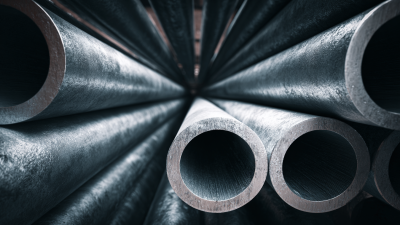
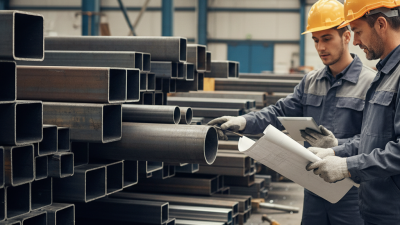
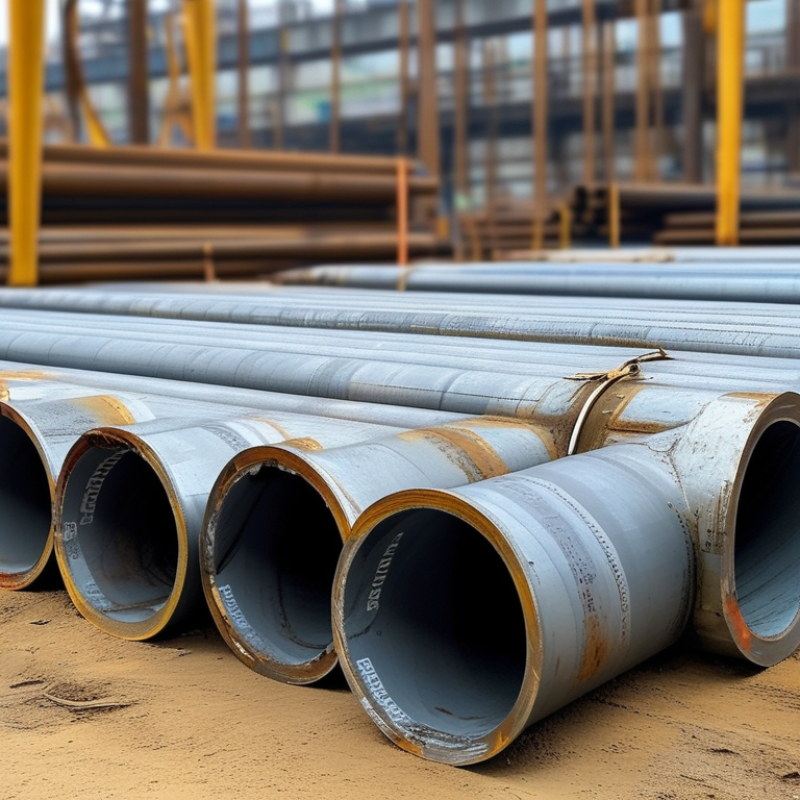
Choosing the right steel tube for your project starts with understanding the various types available. Steel tubes come in different shapes and sizes, each designed for specific applications. For instance, round tubes are commonly used in structural applications. Their uniform diameter provides strength and stability. Square and rectangular tubes offer additional aesthetic options and can be used in furniture design.
Another important factor is the type of steel. Carbon steel tubes are popular because of their strength and affordability. Stainless steel tubes, while more expensive, resist corrosion and are better for outdoor use. It’s crucial to consider the environment where the tube will be placed. Galvanized tubes provide extra protection against rust, making them suitable for wet conditions.
However, selecting the right steel tube can be a challenge. You may find that availability is an issue. Not every supplier stocks every type. This can lead to delays in your project timeline. Additionally, understanding specifications like wall thickness and diameter is essential. Misjudging these can compromise the integrity of your project. It’s beneficial to consult with professionals who can provide clarity.
How to Choose the Right Steel Tube for Your Project?
| Type of Steel Tube |
Material |
Dimensions |
Weight per Meter (kg) |
Common Applications |
| Round Steel Tube |
Mild Steel |
25mm - 500mm |
2 - 50 |
Structural support, Construction |
| Square Steel Tube |
Stainless Steel |
20mm - 300mm |
3 - 45 |
Furniture, Handrails |
| Rectangular Steel Tube |
Carbon Steel |
50mm x 100mm to 200mm x 400mm |
6 - 70 |
Automotive, Construction |
| Thin Wall Tube |
Galvanized Steel |
15mm - 100mm |
1 - 10 |
Piping, Electrical applications |
Key Factors to Consider When Selecting Steel Tubes for Your Project
When selecting steel tubes for your project, several key factors come into play. First, consider the material's strength and durability. Different projects have varying demands for load-bearing capacity. Ensure you choose a tube that meets these specific requirements. Knowing the environment where the tube will be used is vital. Corrosive environments may require galvanized or coated options.
Another crucial aspect is the dimensions. The diameter and wall thickness directly affect the tube's performance. Larger diameters provide greater strength, but may add unwanted weight. Wall thickness can influence flexibility. Assess your project's needs carefully to avoid over-engineering or under-engineering.
Tips: Always consult with a professional or experienced engineer. They can provide insights specific to your application. Additionally, take the time to compare different steel grades. Variations in alloy composition can significantly affect performance.
Lastly, consider the availability and cost. While it’s tempting to prioritize price, remember that
quality should not be compromised. It's often a challenge to balance
cost with performance. Striving for the
best option always pays off in the long run.
Evaluating the Strength and Durability Requirements of Your Design
When evaluating the strength and durability requirements of your design, selecting the right steel tube is crucial. Steel tubes come in various grades and specifications. According to the American Institute of Steel Construction (AISC), specific grades such as ASTM A36 exhibit yield strengths around 36,000 psi. This strength level may be adequate for low-stress applications but can fall short under high-load conditions.
In more demanding projects, considering materials like ASTM A992, with yield strengths up to 50,000 psi, can enhance durability significantly. The American Society for Testing and Materials (ASTM) emphasizes that the material's ability to resist deformation is critical for structural integrity. Context matters; for instance, outdoor structures may require corrosion-resistant finishes, affecting the choice of tube coatings and treatments.
Designers must also contemplate the real-world stresses their projects may face. Fatigue failure can occur in cyclic loading situations, often at lower stress levels than maximum yield strength. An engineering analysis indicated that a significant percentage of structural failures arise from inadequate fatigue considerations. Each project presents unique challenges, and reflecting on the specific requirements can guide a better tube selection process.
Assessing Cost-Effectiveness and Budget Constraints for Steel Tubes
When selecting steel tubes for your project, budget considerations play a vital role. The cost of steel can fluctuate based on market demand and material quality. Understanding these factors can help you make informed choices. Determine your project’s specific needs. Knowing the required dimensions and strength will assist in narrowing down options while keeping costs manageable.
Evaluating cost-effectiveness requires balancing quality with price. Cheaper materials may seem tempting but often lead to higher long-term expenses. For example, a low-quality tube may corrode faster, requiring replacements sooner. It’s crucial to reflect on the long-term implications of your choices. Are you compromising safety for a lower upfront cost?
Researching suppliers can provide insight about price variations. Consider asking for samples to assess quality. This can lead to a more reliable decision. Also, it’s wise to consult experts. They can offer advice tailored to your project’s specifications. Investing time in this process may feel tedious, but the potential savings and safety benefits are worth it.
Environmental Considerations and Sustainability in Steel Tube Selection
When selecting steel tubes, environmental considerations play a crucial role. The production of steel contributes significantly to carbon emissions. According to the World Steel Association, producing one ton of steel can emit about 1.85 tons of CO2. Choosing recycled steel tubes can significantly reduce this impact, as recycling steel uses about 60% less energy than producing new steel.
Sustainability in steel tube selection also involves assessing the entire lifecycle of the product. The Environmental Product Declarations (EPDs) for steel tubes indicate that those with a longer lifespan and better durability contribute to lower environmental footprints over time. A steel tube that lasts longer reduces the need for replacements and the resulting waste. Engaging with suppliers who prioritize sustainable practices, such as low-energy manufacturing processes, can further enhance this aspect.
While it may be tempting to focus solely on cost and availability, this narrow view can overlook long-term environmental impacts. An analysis by the United Nations Environment Programme highlights that sustainable choices can lead to reductions in operational costs. However, many projects still lack proper assessments regarding material sustainability. It is essential to balance immediate needs with future implications, creating a more responsible approach to steel tube selection.