Top 10 Nickel Alloy Suppliers in China for Global Buyers?
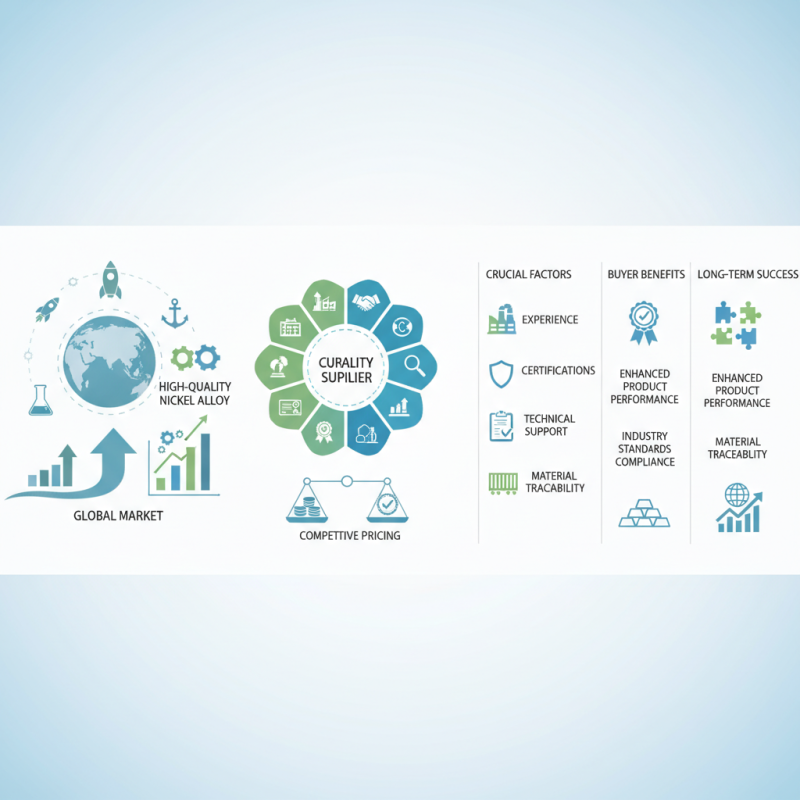
In today's global market, sourcing high-quality nickel alloy is crucial for various industries. Nickel alloys are vital in aerospace, marine, and chemical processing sectors. Numerous suppliers in China offer these materials, each with unique strengths and specialties.
The top nickel alloy suppliers in China demonstrate considerable expertise. They present a reliable option for global buyers seeking competitive pricing and quality assurance. However, not every supplier meets the stringent requirements needed for specific applications. Evaluating the experience and certifications of these suppliers is essential.
As competition increases, buyers must identify trustworthy partners among the top nickel alloy suppliers. Engaging with knowledgeable suppliers can enhance product performance and ensure compliance with industry standards. Beyond pricing, factors such as technical support and material traceability should also influence decisions. Balancing these elements can be challenging, yet it is crucial for long-term success.
Overview of Nickel Alloys and Their Applications
Nickel alloys are critical materials in various industries due to their high resistance to corrosion and high temperatures. These alloys often contain nickel, chromium, and other elements, which enhance their mechanical properties. According to recent industry reports, the global nickel alloy market is expected to grow at a CAGR of 5.6% from 2021 to 2026, underscoring the rising demand across sectors such as aerospace, automotive, and chemical processing.
Applications for nickel alloys are diverse. In the aerospace industry, they are used for turbine engines, where high strength and thermal resistance are crucial. In oil and gas, nickel alloys protect against harsh environments. A study revealed that about 15% of nickel alloys are used in marine applications, where saltwater corrosion resistance is essential. However, sourcing high-quality materials remains a challenge. Global buyers often face inconsistencies in alloy composition and processing standards from different suppliers. Addressing these issues requires careful evaluation of suppliers and their certifications.
The market is also witnessing innovations in nickel alloy formulations. New combinations are being developed to enhance performance while reducing costs. Yet, not all suppliers maintain rigorous quality control processes. This can lead to variability in alloy behavior under extreme conditions. Thus, potential buyers must conduct thorough assessments before making procurement decisions.
Top 10 Nickel Alloy Suppliers in China for Global Buyers
This chart represents the annual production of nickel alloys by various suppliers in China. The data highlights the relative output of each supplier, showcasing their capacity in the global market.
Key Characteristics to Consider When Choosing Nickel Alloys
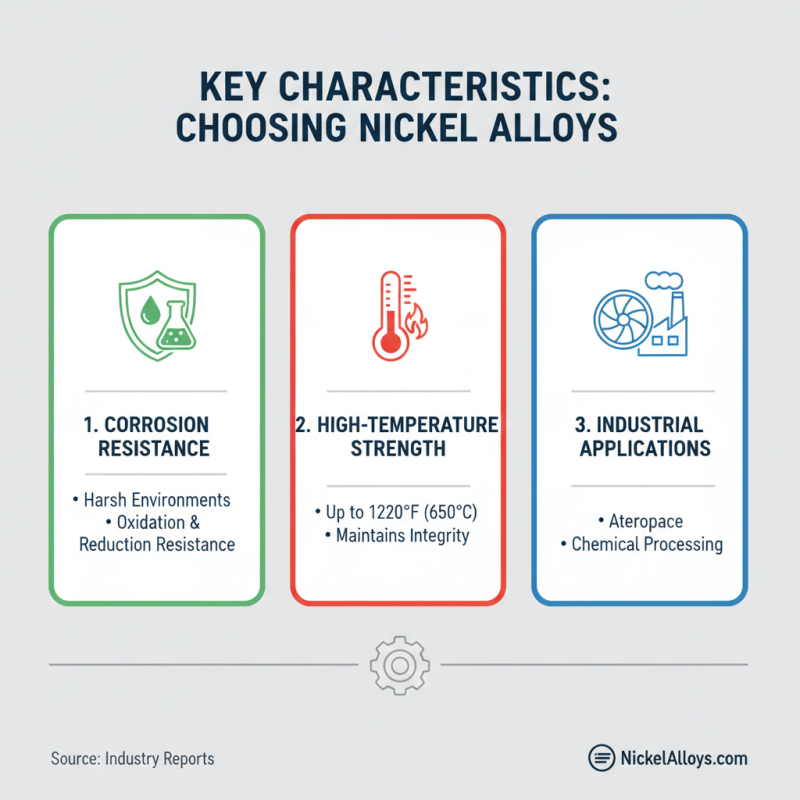
When selecting nickel alloys, several key characteristics must be considered. Corrosion resistance is crucial for applications in harsh environments. Nickel alloys are known for their excellent resistance to oxidation and reduction. According to industry reports, certain nickel alloys can withstand temperatures up to 1200°F (650°C) without losing integrity. This makes them ideal for industries such as aerospace and chemical processing.
Another important factor is tensile strength. High-performance nickel alloys offer significant strength, enabling them to endure extreme conditions without deforming. Data indicates that specific nickel-chromium alloys can achieve yield strengths over 100,000 psi. This attribute is vital in structural applications where safety is paramount.
Additionally, workability is essential in manufacturing processes. Some nickel alloys can be challenging to machine, leading to increased production costs. Finding the balance between strength, corrosion resistance, and machinability is often challenging for engineers. Buyers must closely examine material specifications and consider industry feedback to make informed decisions. Reliable data from industry analyses can aid in this evaluation, helping to ensure the right choice for specific needs.
Criteria for Selecting Nickel Alloy Suppliers in China
When selecting nickel alloy suppliers in China, several key criteria should be considered. The global nickel alloy market was valued at approximately $25 billion in 2021 and is projected to grow significantly. Buyers need to assess a supplier's production capacity and technological capabilities. High-quality production methods can influence corrosion resistance and strength.
Another essential factor is compliance with international standards. Many Chinese suppliers implement ISO certifications, ensuring they meet global quality benchmarks. Research indicates that 70% of buyers prioritize suppliers who adhere to recognized safety and quality standards. Transparency in supply chain practices also matters. Potential buyers should inquire about the origin of raw materials and manufacturing processes.
Feedback from previous clients can provide valuable insight into a supplier's reliability. It's important to weigh these reviews critically. While some suppliers may boast impressive portfolios, not all deliver consistent quality. Industry reports indicate that nearly 30% of suppliers face challenges in fulfilling order specifications. This makes thorough vetting essential for forming partnerships in the nickel alloy market.
Top 10 Nickel Alloy Suppliers: A Detailed Analysis
In the realm of nickel alloys, choosing the right supplier can significantly impact business outcomes. China's nickel alloy industry has seen substantial growth. In 2021, China accounted for about 70% of the global nickel production. This notable dominance creates a competitive market for global buyers.
Quality is paramount when selecting a supplier. Environmental compliance is a critical factor. A recent report indicated that approximately 30% of suppliers in the industry were found lacking in sustainability practices. This is concerning for global buyers who prioritize environmentally friendly sourcing. Moreover, the fluctuating prices of nickel alloys underscore the importance of reliable partnerships. Buyers must ensure their suppliers can offer price stability and quality assurance.
Beyond price and compliance, understanding supplier capabilities is vital. Technical specifications and enhancement processes are crucial aspects. A comprehensive analysis reveals that many suppliers lack advanced processing techniques. This gap can lead to inconsistent product quality. Buyers should conduct thorough evaluations to mitigate these risks. Engaging with suppliers who prioritize innovation can lead to more successful outcomes.
Top 10 Nickel Alloy Suppliers in China for Global Buyers
| Supplier Rank |
Location |
Annual Production Capacity (tons) |
Main Applications |
Quality Certifications |
| 1 |
Shanghai |
5000 |
Aerospace, Marine |
ISO 9001, AS9100 |
| 2 |
Guangzhou |
4500 |
Chemical Processing, Oil & Gas |
ISO 9001, API Spec 6A |
| 3 |
Beijing |
6000 |
Automotive, Electronics |
ISO 9001, IATF 16949 |
| 4 |
Tianjin |
7000 |
Power Generation, Hydraulics |
ISO 9001, ISO 14001 |
| 5 |
Shenzhen |
5500 |
Medical, Food Industry |
ISO 13485, CE |
| 6 |
Nanjing |
4800 |
Marine Engineering, Railways |
ISO 9001, OHSAS 18001 |
| 7 |
Chengdu |
4000 |
Electronics, HVAC |
ISO 9001, ISO 50001 |
| 8 |
Hangzhou |
3800 |
Defense, Aerospace |
ISO 9001, AS9100 |
| 9 |
Wuhan |
3000 |
Construction, Mining |
ISO 9001, ISO 14001 |
| 10 |
Xi'an |
2500 |
Telecommunications, Aerospace |
ISO 9001, ISO 45001 |
Global Market Trends for Nickel Alloys and Future Outlook
The global market for nickel alloys is experiencing significant growth. This trend is driven by increasing demand in various industries, such as aerospace, automotive, and oil and gas. Nickel alloys are known for their exceptional strength and corrosion resistance, making them ideal for challenging environments. As industries evolve, the need for innovative materials becomes more pressing.
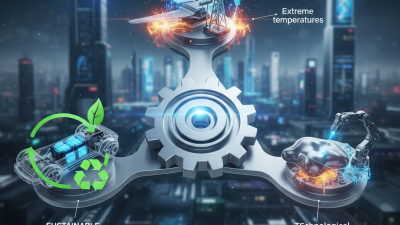
Current market dynamics indicate a shift towards sustainable practices. Buyers are now looking for suppliers who emphasize eco-friendly production. This includes sustainable sourcing of raw materials and reduced carbon footprints. Many manufacturers are adapting to these changes by investing in green technologies. However, not all suppliers are keeping pace, leading to inconsistencies in the market.
With advancements in technology, the future outlook for nickel alloys appears promising. Emerging applications, particularly in renewable energy sectors, offer new opportunities. Yet, there are concerns about raw material availability and geopolitical factors. Navigating these complexities will require careful consideration from global buyers. The quest for reliable suppliers must be balanced with the need for innovation and sustainability.