How to Choose the Right Steel Pipe for Your Project?
Choosing the right steel pipe for your project is crucial. The steel pipe industry has shown growth, with a projected market size of $103.31 billion by 2025, according to a recent IBISWorld report. This insight reflects the increasing demand for robust building materials in infrastructure.
Dr. Emily Carter, a noted expert in material engineering, states, "Selecting the appropriate steel pipe can directly impact the longevity and safety of a project." Her view emphasizes the importance of understanding various factors like material grade, pipe diameter, and wall thickness. These factors vary significantly across applications, from residential plumbing to large-scale industrial installations.
Each project often demands unique specifications. A one-size-fits-all approach may lead to inefficiencies and increased costs. For instance, using a low-grade pipe in a high-pressure system jeopardizes safety and durability. Engineers must stay informed about recent advancements and standards in the steel pipe industry to ensure optimal choices that meet project requirements.
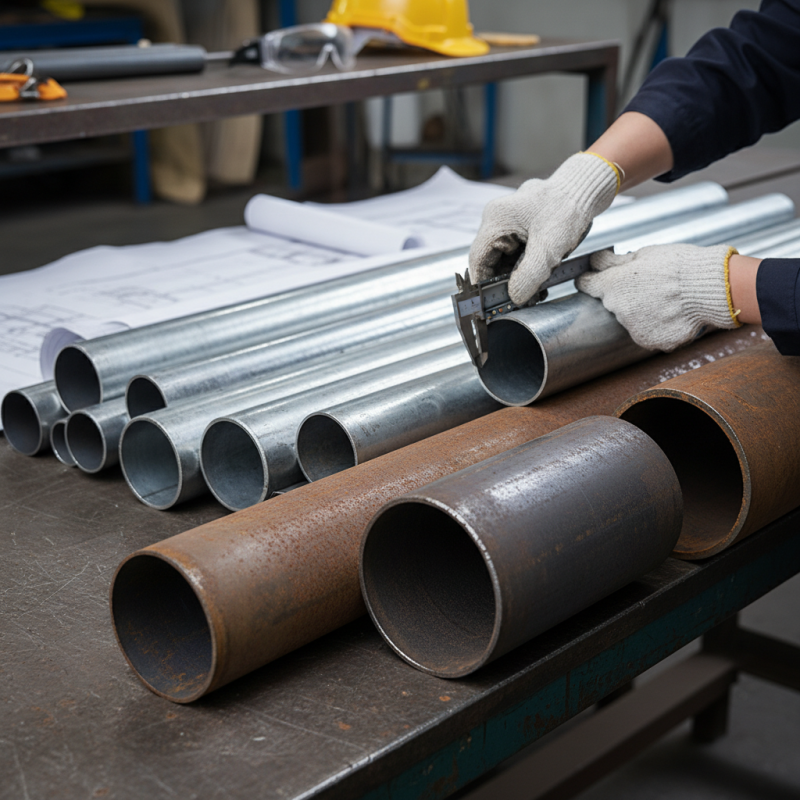
Understanding the Different Types of Steel Pipes and Their Applications
Choosing the right steel pipe is crucial for your project's success. Different types of steel pipes serve various purposes. Understanding their applications can save you time and resources.
One common type is the seamless steel pipe. It is ideal for high-pressure applications. Seamless pipes offer durability and strength. They are often used in oil and gas industries. However, sourcing high-quality seamless pipes can be challenging. When choosing, always verify the supplier's reliability.
Welded steel pipes are another option. They are produced by welding steel plates. These pipes are suitable for structural applications. The cost is generally lower than seamless options. But they may not handle high pressure as effectively. It's important to weigh the pros and cons based on your specific needs. Each project has unique requirements. Adjust your selection process accordingly.
Steel Pipe Types and Their Applications
Key Factors to Consider When Selecting Steel Pipe for Projects
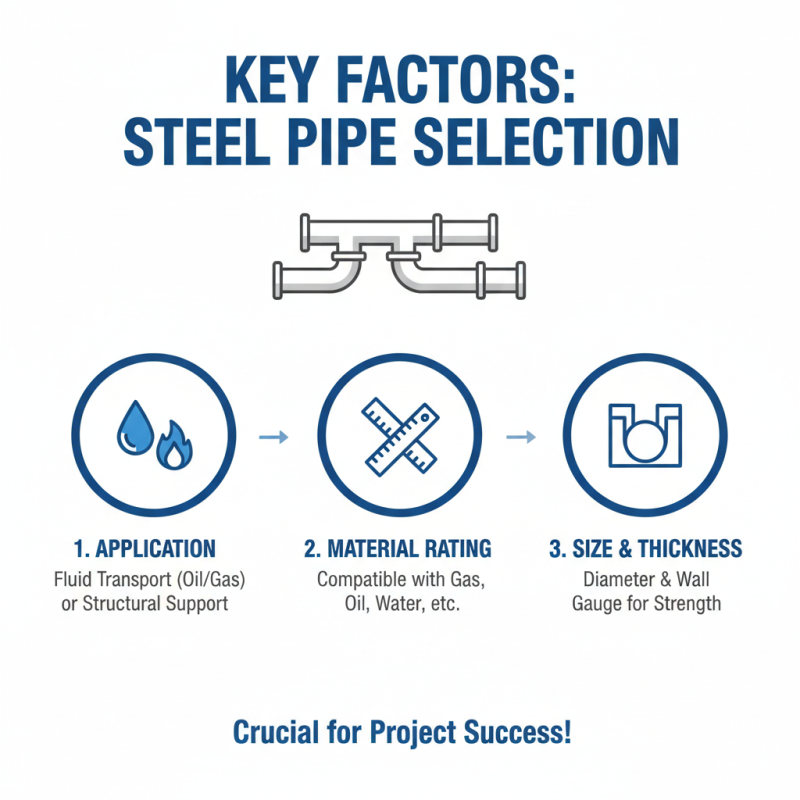
Choosing the right steel pipe is crucial for your project’s success. There are key factors that you should consider. First, the application determines the pipe specifications. For instance, if your project involves transporting gas or oil, you'll need pipes specifically rated for those materials. If structural support is your goal, the thickness and diameter become essential.
Durability is another important factor. Steel pipes can vary in resistance to corrosion and wear. Consider the environment where the pipes will be used. Will they be exposed to moisture or chemicals? If so, opting for galvanized or coated options may be wise. Testing the pipes before installation might seem tedious, but it ensures reliability.
Do not overlook the importance of proper sizing. An undersized pipe can lead to significant flow restrictions, while oversized pipes may incur additional costs without benefits. Engaging a knowledgeable professional for consultation is always a good practice. It's better to revisit your choices than face project delays later.
Analyzing Steel Pipe Specifications: Size, Thickness, and Material Standards
Choosing the right steel pipe involves understanding specifications such as size, thickness, and material standards. In construction, steel pipes come in various diameters and wall thicknesses. ASTM A53 is one of the most common standards. This specification ensures that pipes can handle substantial pressure and temperature variations.
Size is a critical factor. For example, a 2-inch nominal pipe has an outer diameter of 2.375 inches. This inconsistency can lead to errors during installations. Additionally, wall thickness affects the pipe's strength and durability. Schedule 40 and Schedule 80 pipes provide different thicknesses. According to industry data, Schedule 80 pipes are 30% thicker than Schedule 40, offering higher pressure ratings.
Material standards are equally important. Steel pipes can be made from carbon, stainless, or alloy steel. Each material serves distinct purposes. Carbon steel pipes, for instance, have significant strength but may not withstand corrosive environments. Conversely, stainless steel has corrosion resistance but may cost more. The choice should reflect both budget and environmental factors. Investing time in understanding these specifications can yield better long-term outcomes in any project.
Assessing Corrosion Resistance: Choosing the Right Coatings and Grades
When selecting the right steel pipe, corrosion resistance is crucial. Various coatings can enhance a pipe's durability. For example, galvanization provides a layer of zinc that protects against rust. This method is widely used because of its effectiveness. However, not every project can benefit from it equally.
Consider the environment where the steel pipe will be used. For highly corrosive areas, special coatings such as epoxy or polyethylene may be necessary. These coatings create a barrier that prevents moisture and chemicals from reaching the steel. However, the application process can be more complex, and costs might increase.
Choosing the right grade of steel is equally important. Different grades have different resistance to corrosion. Stainless steel offers high resistance, but it may not be necessary for all situations. Sometimes, regular carbon steel with adequate coatings can perform well for specific applications. Understanding the environment and potential threats helps in making informed decisions. Always revisit your choices. Each project has unique needs, and a one-size-fits-all solution often doesn't work.
Cost-Benefit Analysis: Balancing Quality and Budget in Steel Pipe Selection
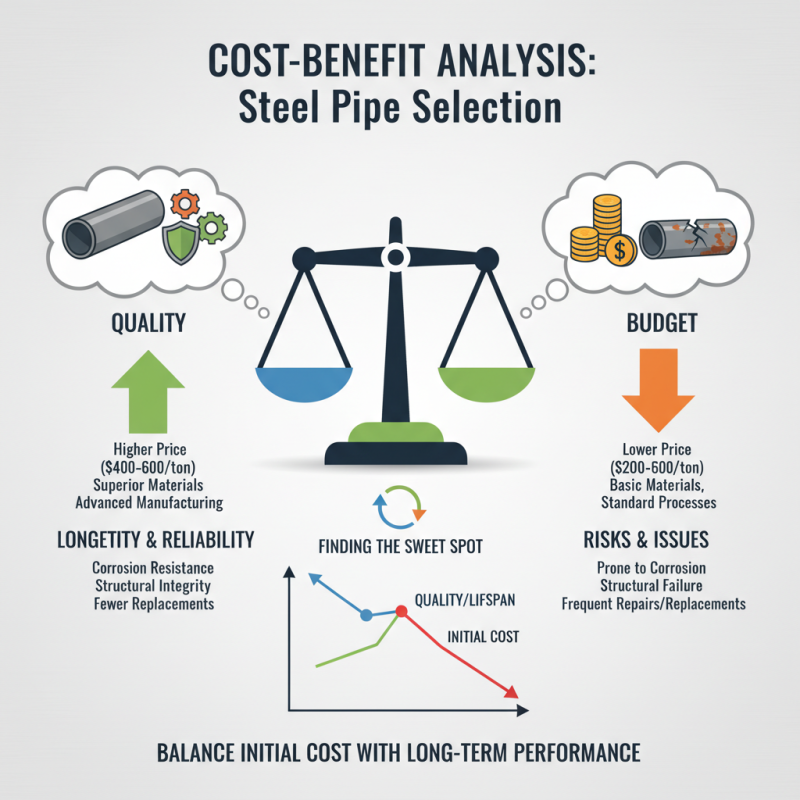
When selecting steel pipes, balancing cost and quality is crucial. A recent industry report shows that the average price of steel pipes varies significantly, with costs ranging from $200 to $600 per ton. This variance often reflects differences in material quality and manufacturing processes. A lower price may seem attractive, but cheaper pipes can lead to long-term issues such as corrosion and structural failure.
Investing in higher-quality steel pipes can yield savings over time. A study from the American Society of Civil Engineers highlights that using superior materials can reduce maintenance costs by up to 30% over a 10-year period. Projects often fail when budget constraints overshadow quality considerations. Therefore, it’s essential to evaluate the specific requirements of your project.
**Tip:** Consider the environmental conditions where the pipes will be used. Corrosive environments may require more resilient materials.
Choosing the right specifications can further impact your budget. For instance, the pipe's diameter and wall thickness affect both price and strength. Using incorrect specifications can lead to unnecessary expenses down the line.
**Tip:** Consult with a structural engineer for guidance on pipe selection to ensure that you meet both budget and safety requirements.
Balancing cost with quality is a nuanced decision. Regularly assessing market trends and material performance can lead to more informed choices.