What Are the Top Types of Alloy Steel Pipe?
Alloy Steel Pipe is selected when ordinary carbon steel cannot reliably handle heat, pressure, or demanding service conditions. The choice is not just about a grade name. A pipe’s chemistry, manufacturing route, wall thickness, and operating temperature all matter. Small differences can change performance.
The World Steel Association’s World Steel in Figures 2024 reports global crude steel production of about 1.89 billion tonnes in 2023. That figure covers all steel, not alloy pipe alone, but it shows the scale of the industrial supply chain behind modern piping. For practical grade comparisons, ASTM A335 is a key specification for seamless ferritic alloy-steel pipe used in high-temperature service. Grades such as P11, P22, and P91 are common examples, with different chromium and molybdenum contents. Check the project specification, not just the label.
This guide introduces major types, including low-alloy, chromium-molybdenum, and nickel-alloy pipe, while noting where service conditions shape the choice. Seamless and welded describe manufacturing methods; they are not alloy families. Easy to confuse. Temperature limits, pressure ratings, weld procedures, and inspection requirements should be verified against applicable standards and engineering documents. Published grade summaries cannot replace a qualified materials review. And real installations are rarely as tidy as a comparison chart suggests. That caveat matters.
What Defines an Alloy Steel Pipe?
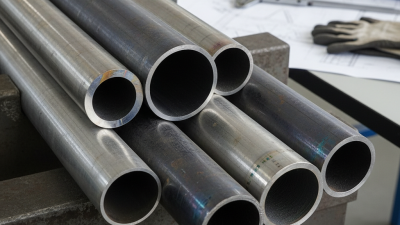
An alloy steel pipe is defined by its chemistry, not by appearance. It contains carbon and iron, plus deliberately added elements such as chromium, molybdenum, nickel, or vanadium. These additions can improve strength, hardenability, or resistance to heat and corrosion. The exact effect depends on the grade and manufacturing process. A shiny surface proves little.
ASTM A335/A335M, for example, covers seamless ferritic alloy-steel pipe for high-temperature service. Common grades include P11 and P22, with specified chromium and molybdenum ranges. Check the material certificate and applicable specification; the word “alloy” alone does not confirm performance. The World Steel Association’s World Steel in Figures 2024 reports 1.892 billion tonnes of crude steel production in 2023. That figure describes steel broadly, not alloy-pipe output—a distinction worth keeping clear.
Tip: Match the pipe grade to the operating temperature, pressure, and fluid, then verify its chemistry and heat-treatment records. A grade name is only a starting point. Small details matter.
Chromium-Molybdenum Alloy Steel Pipes
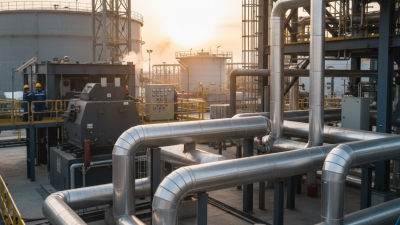
Chromium-molybdenum alloy steel pipes are used where heat and pressure challenge ordinary carbon steel. Common grades include P11, P22, and P91. Chromium improves resistance to oxidation, while molybdenum helps retain strength at elevated temperatures. These pipes appear in boilers, steam lines, and refinery process equipment. They are not stainless steel, and they are not immune to corrosion.
Material requirements matter. ASTM A335/A335M specifies minimum tensile strength of 585 MPa and minimum yield strength of 415 MPa for Grade P91. Grade P22 has lower specified minimums: 415 MPa tensile strength and 205 MPa yield strength. ASME BPVC Section II provides related material properties used in pressure-equipment design. Actual performance still depends on wall thickness, temperature, fabrication, and service conditions. P91 welding requires tightly controlled procedures and post-weld heat treatment. The details can be unforgiving.
Tips: Check the grade, heat-treatment condition, and mill test certificate before installation. Match the pipe to the design code and operating temperature. One detail is easy to overlook: a suitable grade can still fail if welding or inspection is poor.
Nickel-Alloy Steel Pipes
What Are the Top Types of Alloy Steel Pipe?
Nickel-Alloy Steel Pipes
Nickel-alloy steel pipes are chosen when ordinary carbon steel may not provide enough toughness or corrosion resistance. The term can be confusing: nickel-bearing low-alloy steel is not the same as a nickel-based alloy pipe. That distinction matters. The right choice depends on the exact grade, temperature, pressure, and fluid—not simply its nickel percentage. In service, even a small chemistry mismatch can lead to premature damage.
Nickel content can help improve toughness, including in some low-temperature applications. Nickel-rich alloys may suit more corrosive or high-temperature environments, but performance varies by grade and fabrication. The U.S. Geological Survey’s Mineral Commodity Summaries 2025 estimated 2024 global nickel mine production at about 3.7 million metric tons, including about 2.2 million from Indonesia. This gives useful supply context, not a guarantee that a particular pipe size or grade is readily available. Nickel Institute technical guidance also emphasizes that material performance depends on the operating environment.
Tips: Check the material test certificate for chemistry and heat treatment, then confirm the applicable pipe specification and design requirements. Ask about inspection records, too. It is tempting to select by alloy name alone; that shortcut deserves a second look.
Nickel-Alloy Steel Pipes: Nickel Content by Alloy
The chart compares minimum specified nickel content by weight for selected nickel alloys commonly used in pipe and tubing. Actual chemical limits depend on the applicable alloy specification and product grade; Alloy 800, for example, specifies a nickel range of 30–35%.
Manganese-Alloy Steel Pipes
Manganese-Alloy Steel Pipes
Manganese-alloy steel pipes contain manganese to help improve strength and hardenability. In some grades, it also supports toughness under impact or changing loads. The precise performance depends on the full alloy chemistry, heat treatment, and manufacturing process. Manganese alone does not make a pipe corrosion-proof. Details matter.
These pipes may be selected for industrial lines, structural supports, and equipment exposed to repeated stress. Picture a pipe carrying warm process fluid through a plant: pressure, temperature, and the fluid itself all affect material choice. Engineers compare the pipe grade with operating conditions, design requirements, and applicable specifications. A higher alloy content is not automatically the better option.
Welding and forming need attention because procedures vary by grade and wall thickness. Buyers should check material certificates, dimensions, test records, and traceability before installation. An apparently small mismatch can complicate fabrication later. It is also worth reviewing corrosion protection separately, since manganese-alloy steel may still need coatings or other controls in corrosive environments. I would not choose a grade from its name alone; actual service data should guide the decision.
High-Strength Low-Alloy Steel Pipes
What Are the Top Types of Alloy Steel Pipe?
High-Strength Low-Alloy Steel Pipes
High-strength low-alloy (HSLA) pipe gains strength through carefully controlled chemistry and processing, not simply a high alloy content. Small additions of niobium, vanadium, or titanium can help refine the steel’s grain structure. The result can be a strong pipe with useful toughness and good weldability. Details matter.
HSLA pipes are used in long-distance fluid transport, structural supports, and demanding industrial systems. Their higher strength may allow thinner walls or lighter assemblies, but only when design calculations and applicable specifications support that choice. A pipe grade alone does not establish suitability. Pressure, temperature, diameter, wall thickness, and joining method all affect performance.
HSLA does not mean stainless or inherently corrosion-proof. Not automatically. Outdoor lines may need coatings, corrosion allowances, or other protection suited to their environment. Welding also deserves attention; carbon equivalent, thickness, and restraint can influence preheating and procedure requirements. Checking material certificates and inspection records against the project specification is a practical safeguard. It can feel tedious, but skipping the check is a poor trade.