China Top Alloy Steel Pipe Types and Their Applications?
The demand for Alloy Steel Pipe has surged globally due to its superior strength and corrosion resistance. According to the latest market report by Mordor Intelligence, the global alloy steel pipe market is expected to reach USD 27.6 billion by 2026, growing at a CAGR of 4.5% from 2021. These pipes are crucial across various industries, including oil and gas, construction, and automotive sectors.
In China, alloy steel pipes are widely used due to their ability to endure high pressures and temperatures. The manufacturing process involves stringent quality controls, ensuring high-performance products. Significant applications include boiler tubes and structural pipes, which are essential in construction projects. However, the industry faces challenges, such as fluctuating raw material prices and environmental regulations.
Understanding the types and applications of alloy steel pipes is vital for industry professionals. This knowledge aids in selecting the appropriate materials for specific projects. Despite advancements, ongoing research is crucial to improve performance metrics and sustainability. The alloy steel pipe sector must continuously innovate to meet future demands.
Types of Alloy Steel Pipes Used in China
Alloy steel pipes are essential in various industries in China. They are valued for their
strength,
durability, and
versatility. Different types cater to diverse applications, making them crucial in construction, automotive, and manufacturing sectors.
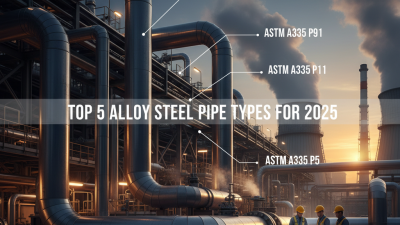
One common type is the ASTM A335 alloy steel pipe, known for its high-temperature resistance. It is often used in power plants and refineries. Another type, ASTM A312, is familiar in transporting liquids and gases due to its superior
corrosion resistance. These pipes can endure harsh environmental conditions.
However, there are challenges in production and quality control. Maintaining precise
alloy compositions can be tricky. Small deviations may
lead to significant performance issues later on. Continuous innovation is necessary to address these concerns.
Understanding these types and their applications helps industries choose the right materials, ensuring
safe and efficient operations.
Common Applications of Alloy Steel Pipes in Various Industries
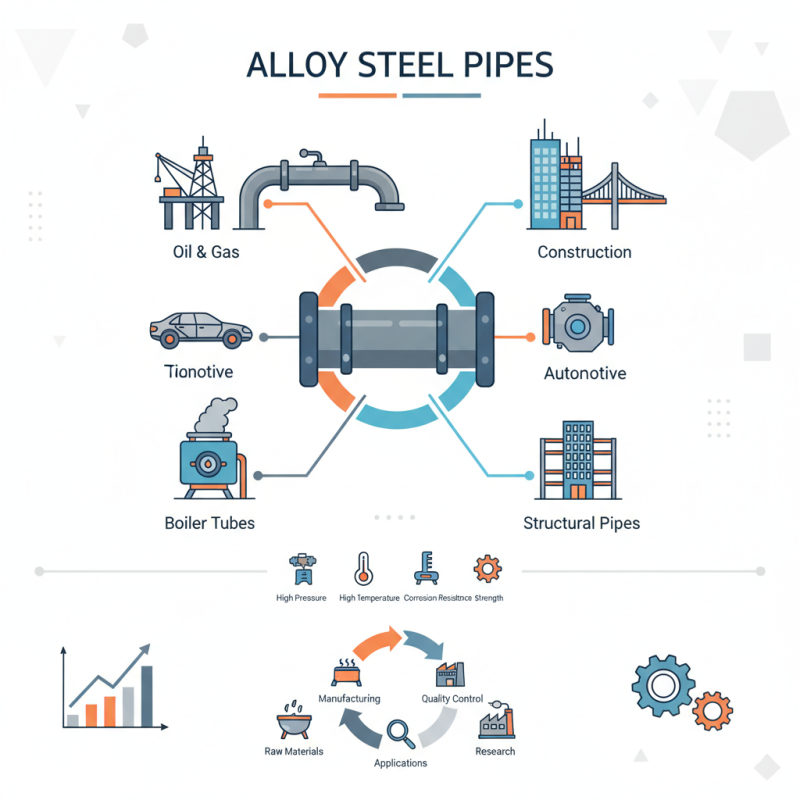
Alloy steel pipes are integral to many industries due to their varied properties. These pipes are known for their strength and durability. They are widely used in construction, automotive, and energy sectors. In the oil and gas industry, for instance, alloy steel pipes can withstand high pressure and extreme temperatures. This makes them suitable for transporting crude oil and natural gas.
In construction, alloy steel pipes serve structural purposes. They are often used in scaffolding and framework. Their resistance to corrosion and wear is beneficial in these applications. Additionally, the automotive industry utilizes these pipes for exhaust systems and fuel lines. The lightweight yet strong nature of alloy steel enhances vehicle performance.
Tips: Always consult with experts when selecting alloy steel pipes. Different grades can have diverse effects on performance. It’s crucial to analyze the specific requirements of your project. Improper selection can lead to issues like leaks or structural failures. Make sure to review test certifications before purchasing any materials.
Common Applications of Alloy Steel Pipes in Various Industries
Comparison of Different Alloy Steel Pipe Grades and Specifications
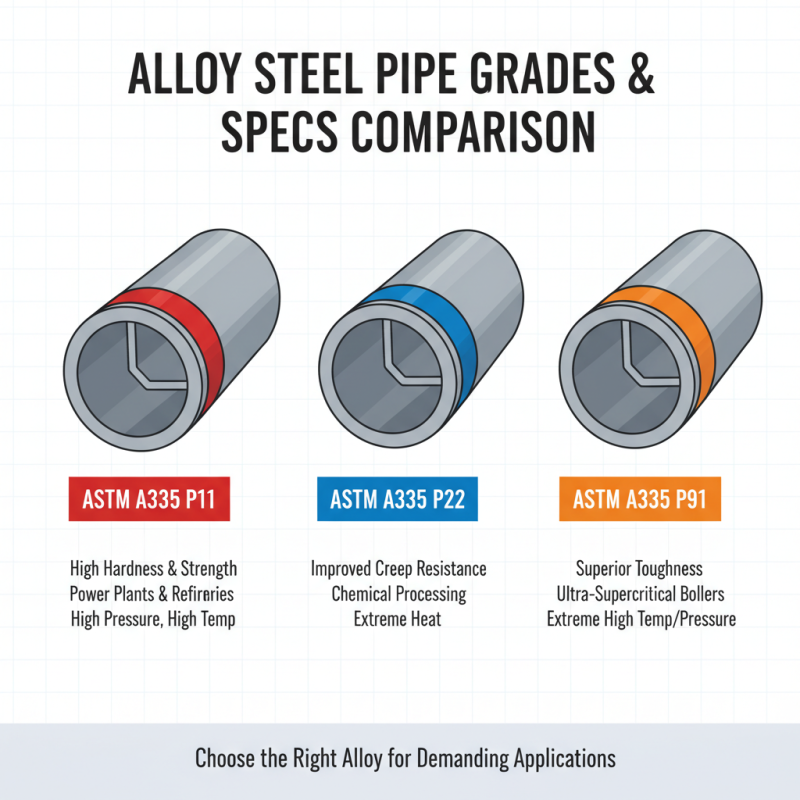
When it comes to alloy steel pipes, understanding the grades and specifications is crucial. Various alloy steel types have unique properties that affect their applications. For instance, the ASTM A335 P11 grade is known for its excellent hardness and strength. It's commonly used in power plants and refineries, standing up to high pressures and temperatures.
In contrast, the ASTM A213 T22 grade is more adaptable but may not offer the same peak performance at higher temperatures. It’s widely used in boilers and superheaters. The choice between these grades depends on specific requirements and operational conditions. Selecting the wrong type can lead to failures and increased costs, often prompting the need for reflection on material choices. Balancing performance with cost considerations is never straightforward.
Other grades, like the ASTM A519, cater to unique applications. They emphasize different mechanical properties, showing that no one-size-fits-all solution exists. Each project needs a careful evaluation of alloy specifications. The decision-making process often reveals gaps in understanding material behavior, requiring continuous learning and adaptation.
Manufacturing Processes for Alloy Steel Pipes in China
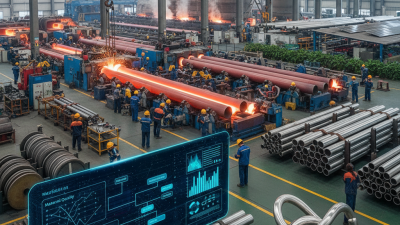
In China, the manufacturing of alloy steel pipes involves several precise processes. One key technique is the seamless pipe manufacturing method. This involves heating steel billets and then forming them into hollow tubes through rotary piercing and elongation. This method enhances the pipes' structural integrity.
Welded pipe production is another prominent technique. In this process, flat steel plates are rolled and welded to create a cylindrical shape. This approach is often more cost-effective but may require extra inspection to ensure the weld's durability. Implementing non-destructive testing methods can validate pipe strength.
Temperature control during these processes is crucial. It affects the final properties of the alloy steel. For instance, the heat treatment stage can determine the hardness or flexibility of the pipes. Even minor deviations can impact performance. It is essential to monitor these variables closely. Manufacturers continually seek improvements but often face challenges related to consistent quality and production efficiency. Balancing innovation and reliability remains a work in progress.
Trends and Innovations in Alloy Steel Pipe Production and Usage
The alloy steel pipe industry has seen significant trends and innovations recently. The global alloy steel pipe market was valued at approximately $22 billion in 2022 and is projected to grow at a CAGR of around 5% from 2023 to 2030. This growth is driven by increased demand in various sectors, including construction, automotive, and oil and gas. Companies are investing in advanced technologies for production, enhancing both efficiency and product quality.
One notable trend is the adoption of automation and digitalization in manufacturing processes. According to a report by a leading industry research firm, automated systems can improve production rates by up to 20%. These innovations help reduce labor costs and minimize human error. However, some companies still struggle with the integration of new technologies. Transitioning to smart manufacturing requires significant capital and expertise, posing challenges for smaller firms.
Sustainability is another critical focus area. Many manufacturers are seeking eco-friendly practices, aiming for lower emissions during production. For instance, advancements in recycling methods have made reusing scrap steel more efficient. Yet, the industry must further explore effective ways to balance sustainability with cost-effectiveness. This ongoing evolution highlights both the potential and the challenges within the alloy steel pipe sector.