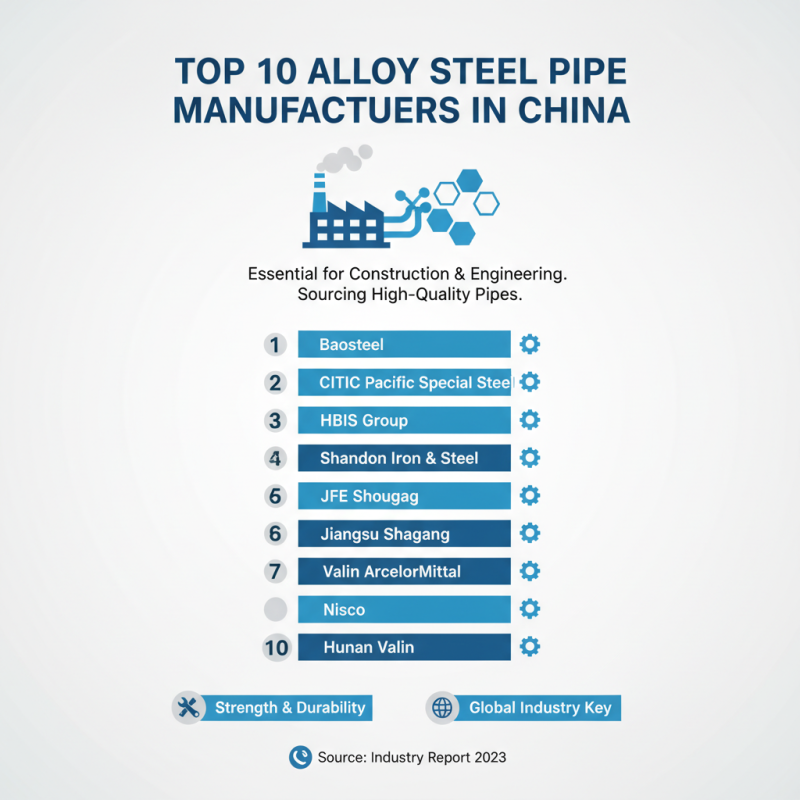
China Top 10 Alloy Steel Pipe Manufacturers You Should Know?
In the rapidly evolving world of manufacturing, the demand for high-quality Alloy Steel Pipe is on the rise. Industry experts highlight the significance of material quality. Dr. Richard Liao, a leading metallurgical engineer, stated, “The choice of Alloy Steel Pipe materials directly affects durability and performance.” This emphasizes the critical nature of quality in this sector.
China, a hub of manufacturing, is home to some of the world's best Alloy Steel Pipe manufacturers. These companies set high standards, ensuring their products meet global expectations. The intricate processes involved in producing Alloy Steel Pipes require expertise and precision. Several manufacturers have made significant strides in innovation, but there remains room for improvement in sustainability practices.
As the industry grows, so does complexity. Identifying top manufacturers can be challenging amidst a crowded market. It is essential to weigh factors like reliability, quality control, and technological advancements. Moving forward, the focus should be on balancing quality with eco-friendly practices. The pursuit of excellence in the Alloy Steel Pipe industry is ongoing, and companies must continuously strive to meet the evolving demands of the market.
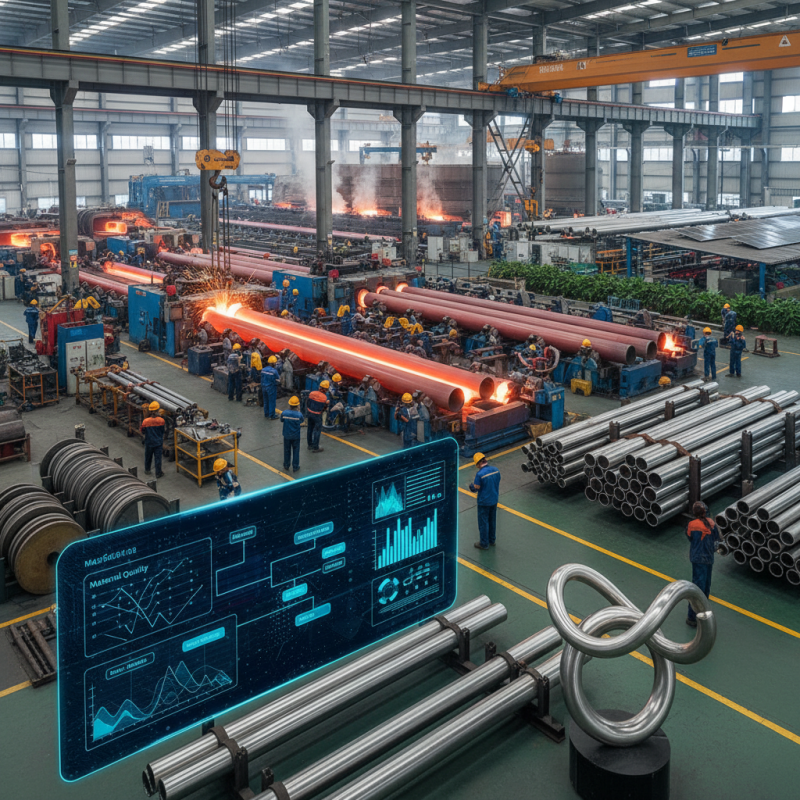
Overview of Alloy Steel Pipes and Their Applications
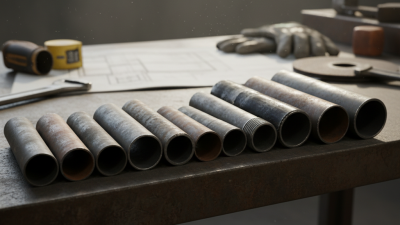
Alloy steel pipes have become essential in various industries due to their unique properties. These pipes are made from a combination of iron and various alloying elements, such as chromium, nickel, and molybdenum. This composition results in enhanced strength, durability, and resistance to corrosion. In the oil and gas sector, for example, alloy steel pipes can withstand extreme temperatures and pressures, making them ideal for transporting hydrocarbons.
According to a recent industry report by Research and Markets, the global demand for alloy steel pipes is projected to reach $25 billion by 2026. This growth is driven by increased investments in energy infrastructure. Industries such as construction and manufacturing also leverage these pipes due to their reliability. In construction, they are often used in structural applications, ensuring safety and longevity. However, the manufacturing process for alloy steel pipes is not without challenges. Quality control remains a concern, and improper forging may lead to defects that undermine performance.
The applications of alloy steel pipes extend beyond traditional sectors. In renewable energy, these pipes are critical for wind and solar installations. Their ability to endure challenging environmental conditions makes them suitable for offshore projects. Despite their advantages, alloy steel pipes can be expensive compared to other materials. This could hinder their adoption in some cost-sensitive applications. Nevertheless, the performance benefits often justify the higher initial investment, especially in demanding environments.
Key Factors in Choosing Alloy Steel Pipe Manufacturers
When selecting an alloy steel pipe manufacturer, key factors come into play.
Quality assurance should be at the forefront.
ISO certifications and compliance with ASTM standards indicate a commitment to excellence.
According to the World Steel Association, quality alloy steel pipes can increase system efficiency by more than 20%.
Additionally, consider the manufacturer's experience in the industry.
Companies with over a decade of production often have refined processes and expertise.
A study by MarketsandMarkets revealed that established manufacturers significantly reduce production defects.
This point is crucial, as even minor flaws can lead to major failures in application.
Customer support and service should not be overlooked.
Responsive communication and after-sales service are vital.
A report from TechNavio suggested that companies prioritizing customer feedback in product development enjoy a 30% higher satisfaction rate.
Ultimately, the choice of manufacturer can directly impact project outcomes, making careful consideration essential.
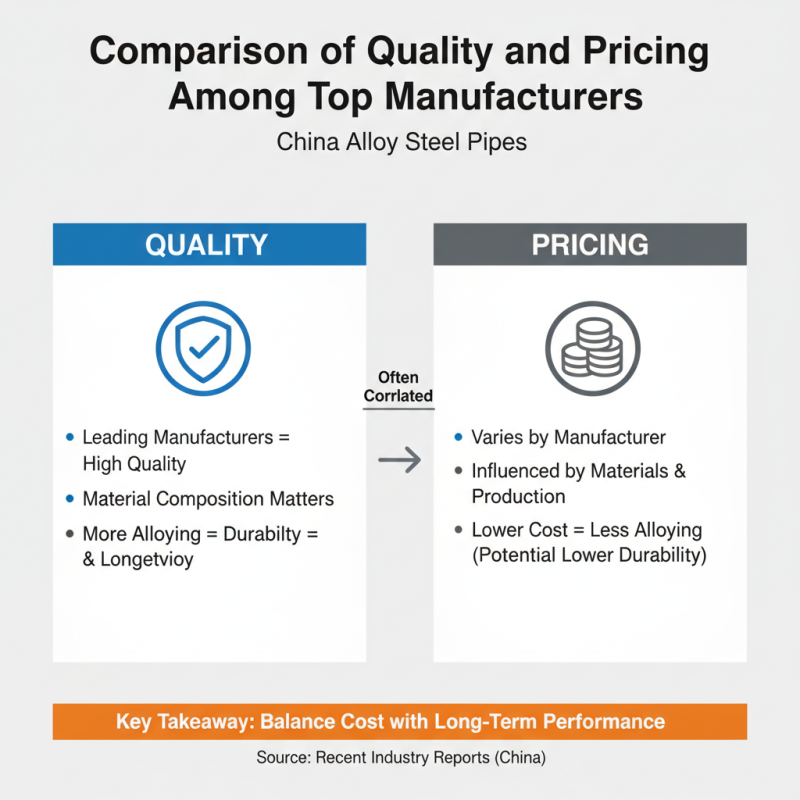
Comparison of Quality and Pricing Among Top Manufacturers
When exploring the alloy steel pipe manufacturing landscape in China, quality and pricing emerge as pivotal factors for decision-making. Recent industry reports indicate that leading manufacturers consistently demonstrate a range of pricing strategies, often influenced by material composition and production methods. For instance, lower-cost options might use less alloying material, potentially affecting long-term durability.
According to a survey conducted by Global Market Insights, nearly 65% of end-users prioritize reliability over price when sourcing alloy steel pipes. This reflects a trend where quality assurance can lead to reduced maintenance costs in the long run. However, not all manufacturers achieve the same quality standards. Some facilities may cut corners in their production process, resulting in inconsistencies.
Tip: Always request material certification and quality testing reports from suppliers. This is crucial in ensuring that the pipes meet industry standards. Additionally, consider conducting on-site audits to assess manufacturing practices.
Pricing can vary widely; some manufacturers may offer substantial discounts for bulk orders. However, buyers should remain cautious. A cheaper price does not always guarantee high quality. The best approach is to balance both factors, aiming for suppliers that can offer competitive pricing alongside proven reliability. Networking with industry professionals can provide insights into trustworthy manufacturers.
Future Trends in the Alloy Steel Pipe Industry in China
The alloy steel pipe industry in China is evolving rapidly. New technologies are emerging, making production more efficient. Manufacturers are investing in advanced machinery to enhance quality. This shift leads to stronger, more durable pipes that meet global standards. As a result, the market is becoming more competitive.
Sustainability is also shaping future trends. Companies are focusing on eco-friendly practices. Reducing waste during manufacturing is a priority. Some manufacturers are exploring recycling old steel. This move not only conserves resources but also reduces costs. However, implementing these changes poses challenges. Balancing production efficiency with environmental responsibility requires ongoing effort.
Additionally, the demand for alloy steel pipes is increasing in various sectors. Energy, construction, and automotive are significant contributors. Each sector has unique requirements, influencing pipe specifications. Manufacturers must adapt to these changing needs. Keeping pace with trends is essential for success in this dynamic market. Continuous learning and innovation will be key as the industry progresses.
China Top 10 Alloy Steel Pipe Manufacturers You Should Know
| Manufacturer Rank |
Annual Revenue (Million USD) |
Production Capacity (Metric Tons) |
Market Share (%) |
Export Markets |
| 1 |
1500 |
50000 |
15% |
USA, Europe, Southeast Asia |
| 2 |
1200 |
45000 |
12% |
Germany, Japan, South Korea |
| 3 |
1000 |
40000 |
10% |
Middle East, Asia |
| 4 |
900 |
35000 |
8% |
North America, Africa |
| 5 |
800 |
30000 |
7% |
Latin America, Europe |
| 6 |
700 |
28000 |
6% |
Asia, Australia |
| 7 |
600 |
25000 |
5% |
Africa, Europe |
| 8 |
500 |
20000 |
4% |
USA, Asia |
| 9 |
400 |
15000 |
3% |
Middle East, South America |
| 10 |
300 |
10000 |
2% |
Europe, Africa |