Why Choose the Right Pipe Fittings for Your Project?
Choosing the right pipe fittings for your project is crucial. Pipe fittings connect pipes and ensure fluid flows smoothly. The right choice impacts not only efficiency but also safety and durability.
Many factors must be considered, such as material and size. You might prefer PVC for its cost-effectiveness, but metal fittings offer superior strength. Misjudging these aspects could lead to leaks or even system failures.
Experience shows that proper fittings save time and money in the long run. Reliability depends on selecting quality fittings that meet your project’s specifications. Remember, even small choices matter significantly. Taking the time to choose the right pipe fittings can prevent potential problems down the line.
Understanding the Importance of Pipe Fittings in Construction Projects
Pipe fittings play a crucial role in construction projects. They ensure the effective flow of fluids, whether in plumbing or industrial systems. A report from the International Journal of Construction Management highlights that improper fitting can lead to a 20% increase in project costs due to leaks and rework. The right fittings prevent these costly mistakes.
Choosing the correct materials also impacts project longevity. Studies show that using subpar fittings can reduce the system's lifespan by nearly 30%. Engineers must consider factors such as pressure ratings and compatibility with existing materials. Ignoring these details results in significant downtimes, affecting project timelines and budgets.
Despite available data, many projects still suffer from poor fitting choices. Some managers might prioritize cost over quality, which can have long-term repercussions. The focus should be on durable and reliable fittings that meet project specifications. Investing time in selecting the right fittings is not merely a suggestion; it’s essential for success in any construction endeavor.
Types of Pipe Fittings: A Comprehensive Overview
When tackling any plumbing or construction project, choosing the right pipe fittings is crucial. There are various types of fittings, each serving different purposes. For instance, elbow fittings help change the direction of the pipe, while tee fittings allow for branching off in multiple directions. These choices must align with the specific demands of your installation.
Cap fittings seal the end of a pipe, preventing leaks. They play a vital role in maintaining system integrity. Coupling fittings connect two sections of pipe. Their selection affects flow rates and system efficiency. A common mistake is overlooking the material compatibility. Different materials may react adversely, leading to premature failure.
Not all fittings are created equal. Some may seem adequate but can lead to issues down the line. It's essential to consider factors such as pressure ratings and temperature resistance. Ignoring these factors can result in significant costs and delays. Choosing the right fitting means weighing short-term convenience against long-term reliability. Make informed decisions to ensure a seamless experience in your projects.
Pipe Fittings Usage by Type
Factors to Consider When Choosing Pipe Fittings
When selecting pipe fittings for your project, several critical factors come into play.
Material compatibility stands out as a key concern. For instance, steel and plastic fittings have distinct properties affecting durability.
According to the American Society for Testing and Materials (ASTM), using incompatible materials can lead to leaks and structural failures.
Proper selection can enhance the lifespan of your system by up to 30%, as noted in a recent engineering report.
Pressure ratings are another crucial factor. The American National Standards Institute (ANSI) provides guidelines on how different fittings can withstand pressure.
Choosing fittings without adequate pressure ratings can result in catastrophic failures.
The National Institute of Standards and Technology (NIST) emphasizes understanding the operational conditions before making choices.
This awareness can prevent costly repairs often underestimated by project managers.
Beyond these technical considerations, installation practices matter greatly.
Poor installation can negate quality fittings. A study by the International Association of Plumbing and Mechanical Officials (IAPMO) suggests that
improper fitting connections contribute to 20% of plumbing failures.
Training installers thoroughly is smart but often overlooked. An understanding of both materials and installation techniques leads to a
more sustainable outcome.
Common Materials Used in Pipe Fittings and Their Benefits
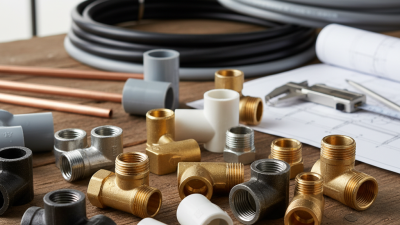
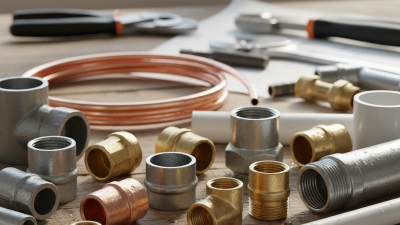
When selecting pipe fittings, material choice is crucial. Common materials include PVC, copper, and stainless steel, each with distinct advantages and limitations. PVC is lightweight and resistant to corrosion, making it suitable for outdoor applications. However, it can become brittle under extreme temperatures.
Copper fittings are known for their durability and antibacterial properties. They’re excellent in plumbing systems. Nonetheless, they can be more expensive and are prone to theft. This raises concerns about budget and security when sourcing materials.
Stainless steel stands out for its strength and resistance to rust. It works well in high-pressure systems. Still, its high cost and heavier weight may deter some projects. Each material offers unique benefits but also presents challenges. Weighing these factors carefully ensures a reliable choice for your project.
Why Choose the Right Pipe Fittings for Your Project? - Common Materials Used in Pipe Fittings and Their Benefits
| Material |
Benefits |
Common Applications |
Drawbacks |
| PVC |
Lightweight, resistant to corrosion, low cost |
Drainage, irrigation, and ventilation |
Not suitable for high temperatures |
| CPVC |
Higher temperature tolerance than PVC, chemically resistant |
Hot water systems, industrial applications |
More expensive than PVC |
| Copper |
Durable, excellent thermal conductor, anti-microbial properties |
Water supply lines, refrigeration, HVAC systems |
Prone to corrosion over time, higher material cost |
| Stainless Steel |
High strength, corrosion-resistant, versatile |
Food processing, chemical processing, plumbing |
Higher initial investment, can rust if scratched |
| Iron |
Durable, strong, good for high-pressure applications |
Gas pipelines, industrial machinery |
Heavy, subject to rust without protective coatings |
The Impact of Proper Pipe Fitting Selection on Project Efficiency
Choosing the right pipe fittings is essential for any project. The selection impacts not only the efficiency but also the safety and longevity of the entire system. Proper fittings ensure that there are no leaks, which can lead to significant downtime and costly repairs. For instance, a mismatch in pipe sizes can create pressure build-up, resulting in unexpected failures.
Moreover, the right pipe fittings improve flow rates and overall system performance. When fittings are not compatible, friction increases, causing energy loss. This inefficiency can affect your project's timeline and budget. A thoughtful choice of materials also plays a crucial role. Different environments require specific materials to withstand temperature changes, chemicals, and pressure.
However, it is crucial to weigh the options carefully. Overlooking the nuances can lead to severe consequences. Understanding the specifications of projects helps avoid pitfalls. Gathering expertise and consulting with professionals is beneficial. Their knowledge can guide you to the most suitable selections, decreasing errors and enhancing efficiency. A small oversight could amplify into a larger issue. Careful consideration is vital for a successful outcome.