Leave Your Message

2026 Top Pipe Flange Types You Need to Know?

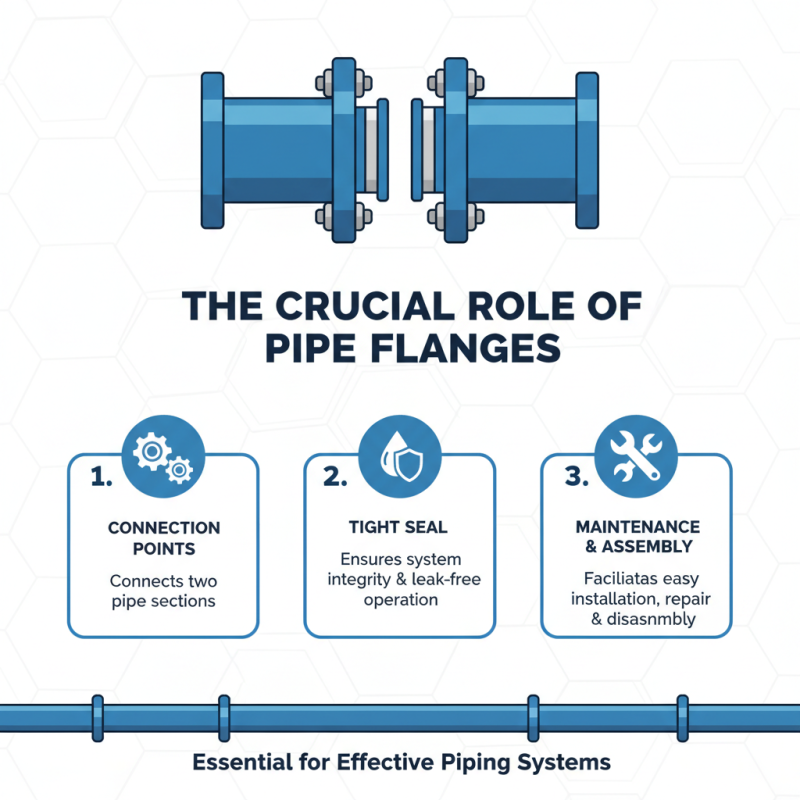
In the world of industrial piping, "Pipe Flange" plays a crucial role. This component facilitates connections, ensuring a tight seal for various pipelines. According to a recent market analysis, the global flange market is projected to reach USD 14.7 billion by 2026. This growth is driven by industries such as oil and gas, water supply, and construction, which rely heavily on dependable flanging systems.

Selecting the right pipe flange type can significantly impact system performance. However, there is often confusion around the options available. The lack of standardized identification poses challenges for manufacturers and engineers alike. Effective knowledge sharing is essential to mitigate these issues. It's clear that awareness of different flange types can enhance operational efficiency, but gaps remain in common practices.

In exploring the top pipe flange types for 2026, we will uncover insights from industry reports and expert analyses. Each type has its own use cases and limitations. Understanding these nuances is vital for making informed decisions that can prevent costly errors down the line.

2026 Top Pipe Flange Types You Need to Know?

Overview of Pipe Flanges and Their Importance in Piping Systems

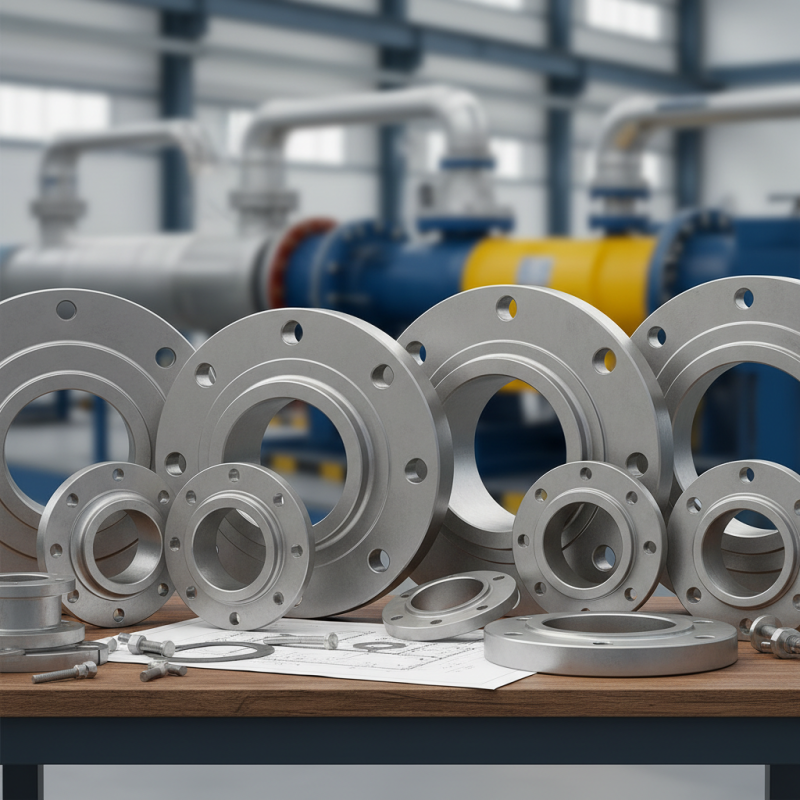
Pipe flanges are crucial in piping systems. They connect pipes, valves, and other equipment, ensuring a leak-free assembly. A reliable seal prevents leaks, which can be dangerous. Various flange types serve different needs and environments, such as carbon steel, stainless steel, and plastic. Each type has its unique characteristics, making it essential to choose wisely.

When selecting flanges, consider the environment. High temperatures and corrosive substances may require specialized materials. Always check for compatibility with fluid types. If unsure, consult industry professionals. Remember that improper selection can lead to failures.

Tips: Always inspect flanges before installation. Look for signs of wear or damage. A small crack can cause a significant issue later. Ensure the bolts are tightened evenly to avoid stress points. Regular maintenance checks can prolong the life of the flanges in your system.

Classification of Top Pipe Flange Types Used in Industries

When discussing pipe flanges in various industries, it's essential to recognize their diverse classifications. Flanges are critical components in piping systems. They create secure connections between pipes and equipment. Among the most common types, we find weld neck, blind, and slip-on flanges, each serving unique purposes.

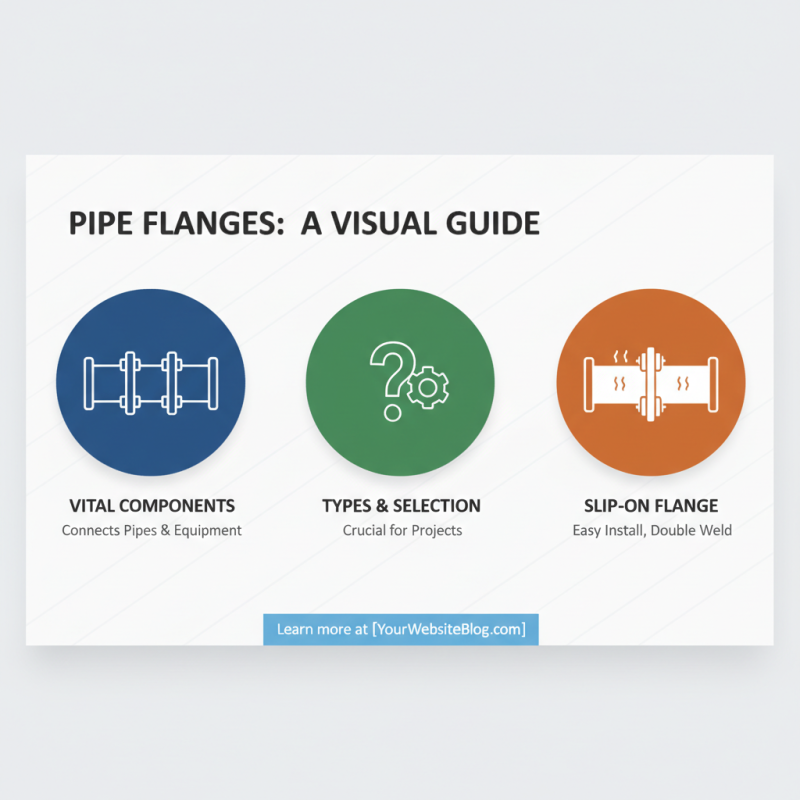
Weld neck flanges offer excellent structural integrity. They are often used in high-pressure systems. With a tapered design, they transition smoothly into pipes. On the other hand, blind flanges seal the ends of piping systems. They prevent leaks in applications requiring maintenance access. Slip-on flanges are suitable for low-pressure applications. They are easy to install, which can save time.

Tip: Always consider the working pressure and temperature of your system when selecting flanges. This is critical for safety and efficiency.

Industry reports indicate that the flange market is projected to grow by 5% annually through 2026. This growth stems from increased demand in oil and gas, chemicals, and water treatment sectors. Yet, some manufacturers struggle with quality control. This inconsistency can lead to failures in critical applications.

Tip: Regular inspections and maintenance can help identify potential issues. This proactive approach reduces downtime and enhances system reliability.

Detailed Analysis of Each Flange Type: Features and Applications

In the world of piping systems, understanding flange types is crucial for ensuring efficiency. For example, the slip-on flange is popular for its ease of installation. It can be easily welded, making it suitable for low-pressure applications. According to industry reports, around 35% of all flanges used in non-critical applications are slip-on types. However, they harbor a flaw; they lack the strength of other flanges. This may lead to leaks under higher pressure conditions.

The blind flange, another key type, is often overlooked. It seals off the piping system, preventing fluid escape. Reports suggest that around 25% of projects only use this type where pressure must be contained. However, improper installation can lead to severe pressure build-up. Many engineers underestimate this risk.

Additionally, the raised face flange is frequently used with gaskets, providing a tight seal. While it's effective, if not aligned correctly, it can result in leaks. Understanding these nuances is critical for proper flange selection.

Key Considerations for Selecting the Right Pipe Flange

2026 Top Pipe Flange Types You Need to Know?

Selecting the right pipe flange is crucial for optimal performance. There are various factors to consider. The type of fluid being transported plays a significant role. For example, corrosive fluids require specific materials. According to industry reports, over 30% of flange failures stem from incorrect material selection.

Pressure ratings are another vital consideration. Flanges come in different ratings, such as 150#, 300#, and 600#. Choosing the wrong rating can lead to leaks or failures. A study showed that approximately 25% of leaks are due to pressure mismatches. It's essential to analyze operational conditions thoroughly.

Another aspect often overlooked is joint performance. Flanges must be compatible with gaskets and bolts. Inadequate gasket selection can compromise systems. Reports indicate that improper gasket installation causes around 15% of joint failures. While flanges might seem straightforward, choosing them requires an informed approach. Each decision carries weight, impacting both safety and efficiency.

Future Trends in Pipe Flange Design and Technology

2026 Top Pipe Flange Types You Need to Know?

The future of pipe flange design is evolving rapidly. New materials are emerging, providing enhanced durability and corrosion resistance. Lightweight alloys are on the rise, making installation easier and more efficient. Designers are beginning to prioritize sustainability, focusing on eco-friendly materials. The push for greener solutions is reshaping industry standards.

Technological advancements play a crucial role as well. Smart flanges equipped with sensors monitor pressure and temperature. This real-time data can prevent failures. Such innovations are essential for maintaining operational safety. However, the integration of technology presents challenges. Not every company has the resources to adopt these advances quickly. A gap may arise between those who embrace innovation and those who lag behind. This needs careful consideration from industry leaders.

As we look ahead, the design process must adapt. Customer feedback plays a vital role in shaping functionality. Flange designs need to be user-centric and adaptable to various applications. This ongoing dialogue will help address potential issues before they arise. Balancing innovation with reliability remains a central challenge. The journey towards 2026 requires reflection and adaptability as we push the boundaries of pipe flange technology.