Top Pipe Flange Types for International Buyers Guide?
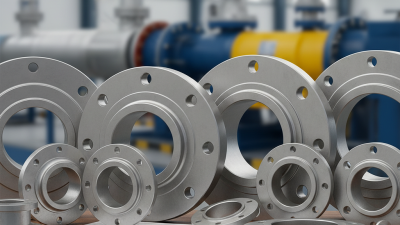
When it comes to industrial applications, understanding various types of pipe flanges is crucial. Pipe flanges serve as vital components for connecting pipes, valves, and pumps. They ensure a secure and leak-proof system for fluid transportation. Buyers must be informed about the diverse flange types available in the market. This knowledge can significantly impact project efficiency and integrity.
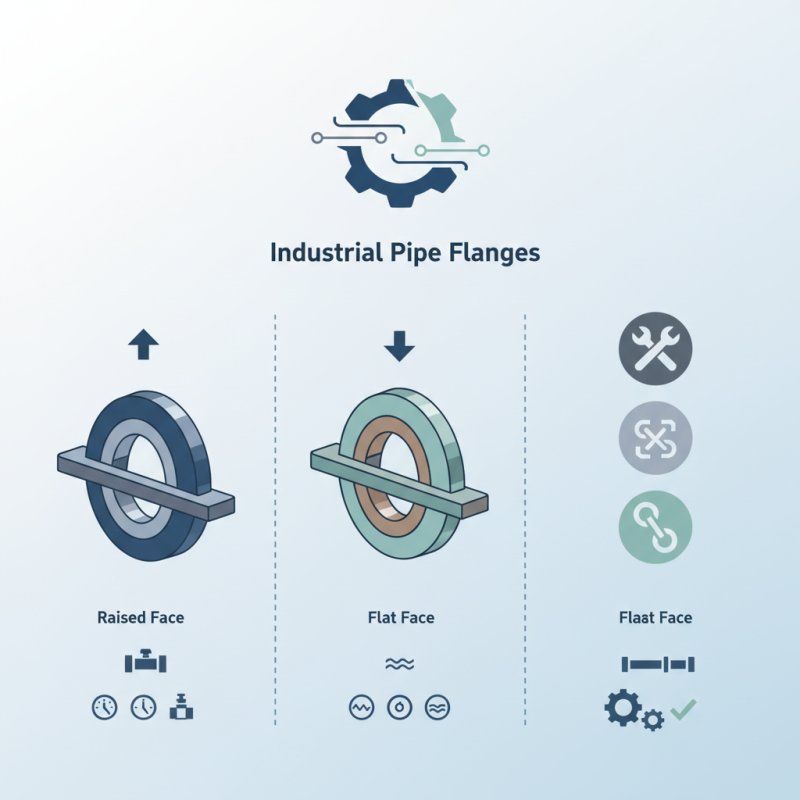
Different pipe flange designs exist, each designed for specific functions. For instance, raised face flanges are popular in high-pressure systems. Meanwhile, flat-faced flanges are essential in low-pressure systems. The choice of material is also important; carbon steel, stainless steel, and plastic flanges each have their merits. A buyer's decision should reflect the specific needs of their projects.
Navigating the market for pipe flanges can be challenging. With numerous options and specifications, making the right choice requires careful consideration. Many overlook critical details like flange ratings and compatibility. This oversight can lead to costly delays and failures. Thus, a thorough understanding of pipe flanges is not just beneficial; it is essential for success in any industrial endeavor.
Introduction to Pipe Flanges and Their Importance
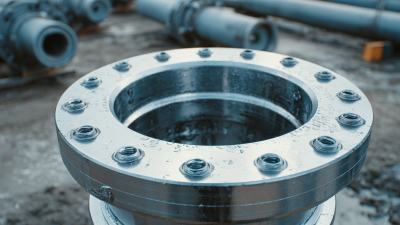
Pipe flanges play a crucial role in connecting pipes, tanks, and equipment. Their design and material significantly affect the performance of any piping system. Various flange types cater to different pressures, temperatures, and applications. Understanding these specifications is essential for international buyers. Each type serves a unique purpose, making it vital to choose the right one for your needs.
When selecting a flange, consider the material. Carbon steel, stainless steel, and plastic are common choices. Each material has its advantages and limitations. Tips: Assess the operating environment. Factors like corrosion resistance and pressure ratings matter. Don't overlook these elements; they could impact your results.
Compatibility is another factor to think about. Ensure that your chosen flange matches existing fittings. This can be tricky, especially with diverse standards worldwide. Tips: Keep a catalog of specifications handy. Refer to it before making a purchase. This helps avoid mistakes and ensures smooth installations. Always consult with experts when in doubt.
Top Pipe Flange Types for International Buyers Guide
| Flange Type |
Material |
Pressure Class |
Dimensions (mm) |
Applications |
| Weld Neck Flange |
Carbon Steel |
150, 300, 600 |
DN 15 - DN 600 |
High-pressure piping systems |
| Blind Flange |
Stainless Steel |
150, 300 |
DN 10 - DN 400 |
Sealing off openings |
| Slip-On Flange |
Alloy Steel |
150, 300 |
DN 15 - DN 1000 |
General piping applications |
| Socket Weld Flange |
Carbon Steel |
300, 600 |
DN 15 - DN 250 |
High-pressure applications |
| Lap Joint Flange |
Stainless Steel |
150, 300 |
DN 15 - DN 600 |
Piping systems with frequent disassembly |
Common Types of Pipe Flanges Used Globally
Pipe flanges are critical components in piping systems, connecting pipes, valves, and equipment. They come in various types, each tailored for specific applications. Understanding these differences helps international buyers make informed decisions.
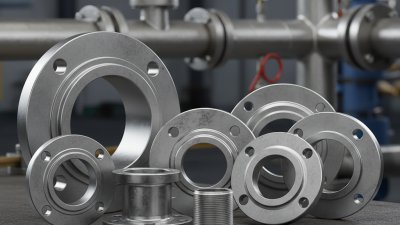
The most common types include weld neck flanges. These flanges are designed for high-pressure applications, providing a smooth transition from the pipe to the flange. Another type is the slip-on flange, which is easier to align but may not handle pressure as effectively. In contrast, blind flanges are used to seal off the end of pipes, preventing leakage.
When selecting flanges, buyers should also consider material compatibility. Different industries may require flanges made from stainless steel, carbon steel, or plastic. It's essential to choose the right type to avoid failures due to corrosion or pressure issues. Understanding each flange type is vital, yet many buyers overlook this detail, emphasizing the need for ongoing education in the procurement process.
Key Considerations for Selecting Pipe Flanges
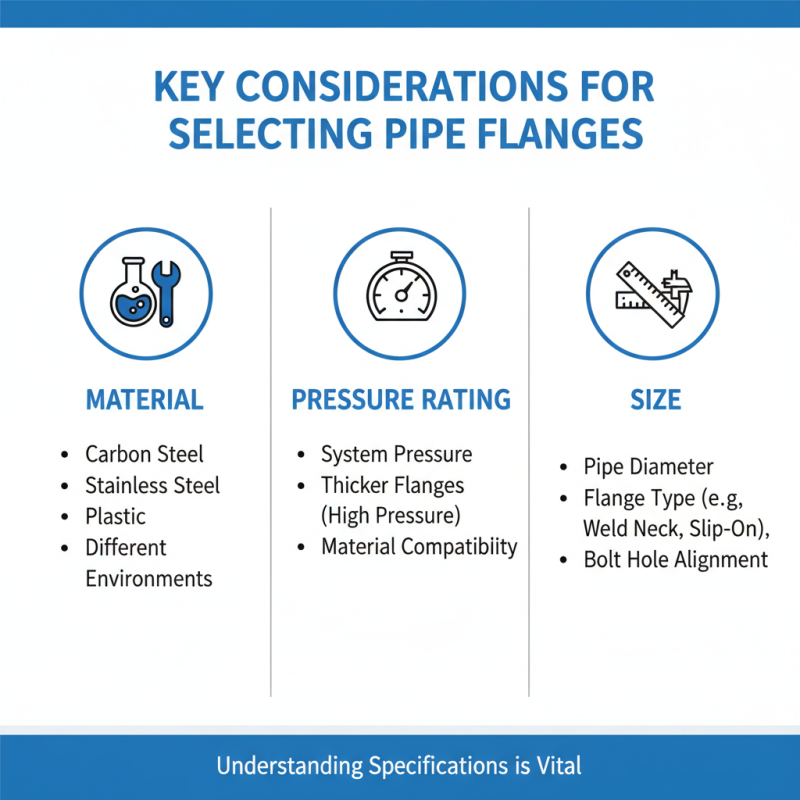
When choosing pipe flanges, understanding the specifications is vital. Consider the material, pressure rating, and size. Common materials include carbon steel, stainless steel, and plastic. Each serves different environments and requirements. High-pressure systems often need thicker flanges.
Tips: Always check the compatibility of the flange material with the fluid being transported. Metal flanges may corrode in certain environments.
Another key aspect is the flange design. There are several designs like weld neck, blind, and slip-on. Each design has unique applications. For instance, weld neck flanges excel at high-pressure applications. However, they can be more challenging to install.
Tips: Visual inspection of the flange surface is necessary. Look for defects or irregularities. A minor flaw can lead to significant issues later. Accurate installation is crucial for ensuring leak-free operations.
Material Options for Pipe Flanges and Their Applications
When selecting pipe flanges, material choice is crucial. Different materials serve various applications based on their properties. Common options include carbon steel, stainless steel, and PVC. Each material offers unique advantages in different environments.
Carbon steel is cost-effective and widely used in construction. Its durability makes it suitable for high-pressure systems. However, it may corrode in certain conditions. Stainless steel, on the other hand, resists rust and is ideal for corrosive environments. It’s more expensive, but its longevity can justify the cost.
PVC flanges are lightweight and resistant to chemicals. They suit low-pressure applications and are easy to install. Yet, they can deform under high temperatures. Understanding these material options informs better decisions in flange selection. Each choice comes with trade-offs that require careful consideration.
Standards and Certifications for International Flange Purchases
When purchasing pipe flanges internationally, understanding standards and certifications is crucial. Different regions may have varying requirements. Compliance with international standards ensures product reliability and safety.
Depending on your region, look for certifications such as ISO, ANSI, or ASME. These certifications indicate that the flanges meet rigorous safety and quality standards. Check if the manufacturer provides detailed documentation. Transparency in certification can influence your buying decision.
**Tips**: Always ask for testing results. These documents showcase the flange's performance under various conditions. Verify the conformity to local regulations to avoid delays.
It's essential to prioritize suppliers with recognized certifications. However, also be aware that not all certified products meet practical expectations. Sometimes, even reputable suppliers may produce flanges that fall short in real-world applications. Engage with suppliers who can provide real-life performance examples. Quality should always be the top priority in your purchasing process.
Top Pipe Flange Types for International Buyers Guide