Leave Your Message

Top 10 Types of Copper Tube for Global Buyers?

Choosing the right Copper Tube can influence system safety, service life, installation speed, and total project cost. Global buyers often compare price first, yet alloy, temper, wall thickness, surface condition, and joining method usually matter more. A tube that performs well in a residential water system may fail to meet the demands of refrigeration, medical gas, heat transfer, or industrial processing.

This guide examines the top 10 types of copper tube used across international markets. It considers common products such as Type K, Type L, Type M, and ACR tube, alongside specialized options for plumbing, HVAC, heating, and manufacturing. Each type has practical strengths. Each also has limits. The thickest tube is not automatically the best choice.

Experienced purchasing teams should review pressure ratings, temperature exposure, corrosion risks, dimensional tolerances, and available certifications. ASTM, ASME, EN, and other standards may apply, depending on the destination and end use. Requirements can differ between countries and even between project owners. Always confirm the current specification with a qualified engineer or supplier.

Details matter.

A reliable supplier should provide traceable material information, inspection records, packing details, and consistent communication. Buyers should also inspect tube ends, protective caps, labeling, and moisture control before shipment. These small checks can prevent expensive delays later. Still, no buying guide can replace project-specific engineering review. Copper selection is sometimes treated as routine. It should not be. The best decision balances performance, compliance, availability, and real operating conditions.

Top 10 Types of Copper Tube for Global Buyers?

Copper Tube Basics and Classification by Manufacturing Method

Top 10 Types of Copper Tube for Global Buyers

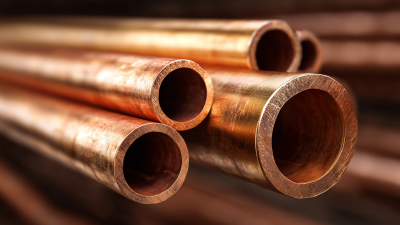
Copper tube classification starts with manufacturing method, not appearance. Seamless tubes are formed from billets through extrusion or piercing, then sized by drawing. This process produces clean internal surfaces and reliable pressure performance. Drawn tubes can be hard, half-hard, or annealed. Annealed coils bend easily around compact piping layouts.

Welded tubes begin with copper strip, which is shaped and joined along a longitudinal seam. Modern welding can provide consistent dimensions, but buyers should inspect seam quality and surface treatment. Brazed tubes use a filler metal during joining and suit selected heat-transfer or refrigeration assemblies. Extruded tubes are pushed through a die, giving accurate profiles for special applications. Cast copper tube is less common for precision service, yet it may support certain industrial designs. High-frequency welded, internally grooved, thin-wall, and capillary tubes complete the commonly discussed ten categories.

The manufacturing route affects wall thickness, tolerance, flexibility, and inspection needs. A capillary tube may look simple, but its tiny bore demands careful cleaning and dimensional control. Grooved tubes improve heat-transfer contact, while thin-wall products reduce weight but leave less tolerance for damage. Buyers should verify alloy, temper, outside diameter, wall thickness, pressure rating, and applicable standards. Classification is helpful, but it is not perfectly clean. One tube may be drawn, annealed, and coiled, so its method and final condition should be recorded separately.

Top 10 Copper Tube Types Used in Global Markets

Top 10 Copper Tube Types Used in Global Markets

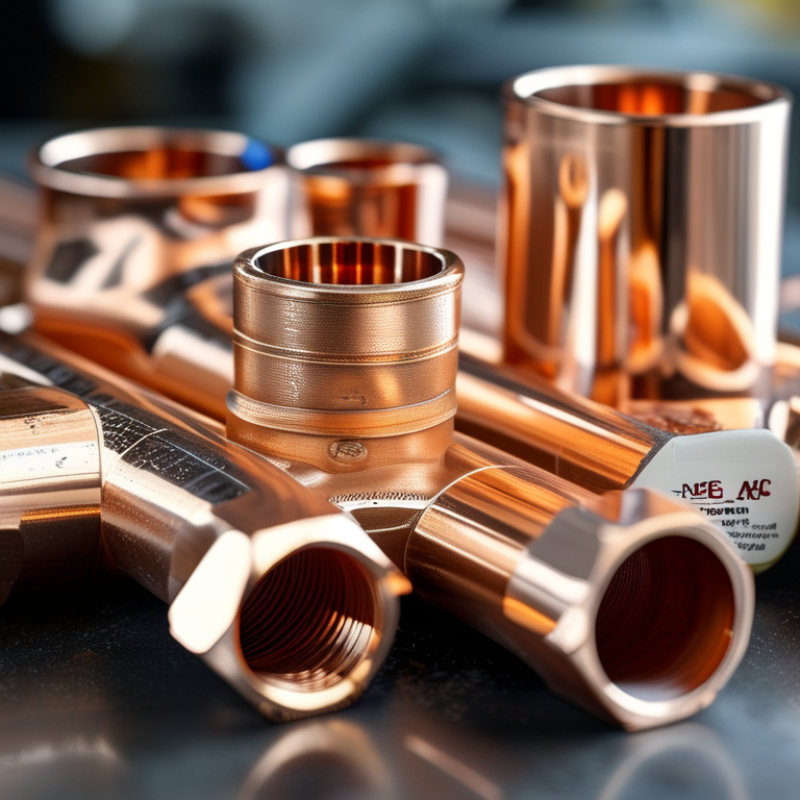
Global buyers commonly specify ten copper tube types: Type K, Type L, Type M, DWV, ACR, medical gas, capillary, pancake coil, straight-length, and insulated copper tube. Type K has the thickest wall among common plumbing grades. It suits buried water lines and demanding installations. Type L serves commercial water systems, while Type M targets lighter-duty indoor plumbing. DWV tube carries wastewater and needs careful joint design.

ACR tube supports air-conditioning and refrigeration systems. It is usually cleaned, dehydrated, and capped before shipment. Medical gas tube requires strict cleanliness and pressure control. Capillary tube supports metering in refrigeration equipment. Pancake coils reduce joints during installation. Straight-length tube helps maintain neat, accessible runs. Insulated tube improves thermal efficiency, although insulation quality can vary.

Market demand remains substantial. The USGS Mineral Commodity Summaries 2025 estimated global copper mine production at about 23 million metric tons in 2024. The International Energy Agency also identifies copper as important for grids, renewable power, and electrification. These trends support long-term tube consumption, but they do not eliminate specification risks. Wall thickness, temper, outside diameter, and alloy must match the project standard. ASTM, EN, and JIS requirements are not interchangeable. A small label mistake can create costly rework. That lesson is easy to overlook.

Top 10 Copper Tube Types Used in Global Markets

The chart compares widely specified copper tube categories by practical global application breadth. The ranking is based on recognized ASTM, EN and ASME/ISO-related product classifications and common end uses, rather than company or brand performance.

ASTM B88 Types K, L and M are commonly used for plumbing and water distribution, while ACR and medical-gas tubing serve specialized systems. EN 1057 R220, R250 and R290 represent different copper tube strength conditions used across European and international projects. DWV and industrial heat-transfer tubing address drainage, refrigeration and equipment applications.

Key Dimensions, Grades, and Performance Characteristics

Top 10 Types of Copper Tube for Global Buyers

Copper tube selection depends on dimensions, grade, and actual service conditions. Common types include straight-length, coiled, pancake, capillary, seamless, welded, smooth-bore, internally grooved, insulated, and finned tubes. Each design supports a different installation or heat-transfer requirement.

Measure outside diameter, wall thickness, length, and tolerance before ordering. Small dimensional changes can affect flow rate, bending, and joint fit. C12200 phosphorus-deoxidized copper suits plumbing and refrigeration applications. C11000 offers strong electrical and thermal conductivity. C10100 oxygen-free copper performs well where high conductivity and low gas content matter.

Always confirm the applicable standard, such as ASTM B88 or an equivalent regional specification. Grade names can vary between markets, so paperwork matters.

Tips: Compare pressure ratings at operating temperature, not only at room temperature. Check annealed or hard temper carefully. Annealed tube bends easily, while hard tube provides better shape retention. Inspect the inner surface for scale, oil, dents, and blocked passages. For long shipments, specify capped ends and moisture-resistant packaging.

A useful detail is groove geometry in internally grooved tubes. It can improve refrigerant heat transfer, but it may increase cleaning difficulty. Finned tubes expand surface area for air cooling, though fins can deform during handling.

I have seen buyers focus on price and overlook tolerances. That is an expensive lesson. Request mill certificates, dimensional inspection records, and sample verification before approving large quantities.

Applications and Selection Criteria for International Buyers

Top 10 Types of Copper Tube for Global Buyers

Copper tube selection should begin with the application, not the catalog photo.

Common options include straight tube, coiled tube, pancake coil, capillary tube, grooved tube, insulated tube, plumbing tube, refrigeration tube, heat exchanger tube, and medical gas tube. Each design serves different working conditions.

Straight tube suits building water lines and fabricated assemblies.
Coils reduce joints in long refrigeration runs.
Capillary tube supports controlled flow in compact cooling equipment.

International buyers should compare alloy, outside diameter, wall thickness, temper, and allowable pressure. Refrigeration systems often need clean, dehydrated tube with sealed ends. Drinking-water projects require suitable material compliance and careful surface control. Heat exchangers may demand stronger tube, precise dimensions, and reliable thermal transfer. Medical applications need stricter cleanliness, traceability, and packaging.

Small differences matter.
A two-millimeter diameter error can disrupt installation.

Ask suppliers for inspection reports, material certificates, dimensional tolerances, and test methods. Confirm standards accepted in the destination market, because one certificate may not satisfy every project.

Packaging also deserves attention: capped ends, dry interiors, moisture barriers, and strong crates reduce damage during sea transport.
Price alone is a weak filter.

A cheaper tube may create higher brazing, leakage, or replacement costs. My own selection process would include one practical trial before a large order. That step can reveal assumptions hidden in drawings, especially when local installers use different tools or joining practices.


Global Standards, Quality Checks, and Purchasing Considerations

Top 10 Types of Copper Tube for Global Buyers?

Global buyers should compare copper tubes against destination standards, not catalog descriptions alone. Common options include Type K, L, and M water tube, refrigeration tube, medical gas tube, straight-length tube, coiled tube, capillary tube, heat-exchanger tube, and grooved tube. ASTM B88 covers several water-tube dimensions, while ASTM B280 addresses copper tube for air-conditioning and refrigeration fields. In Europe, EN 1057 is widely used for copper tubes carrying water and gas in building services. Confirm the applicable standard before requesting prices.

Quality checks should include chemical composition, tensile strength, wall thickness, ovality, surface condition, and pressure performance. Ask for batch-level test certificates, dimensional reports, and traceability records. Eddy-current testing can identify small cracks or discontinuities that visual inspection may miss. It is not perfect. Sampling plans still matter.

Supply risk deserves attention. The U.S. Geological Survey reported approximately 23 million metric tons of global mined copper production in 2024. The International Copper Study Group also continues to track tight supply-demand balances in refined copper markets. These figures can influence lead times and price stability. Buyers should compare total delivered cost, not only the tube price. Include packaging, annealing condition, customs documents, testing, and storage requirements. A certificate may look complete, yet the heat number can be missing. That detail can delay acceptance. Confirm tolerances in writing, inspect random bundles, and test samples independently when the application is safety-critical.