How to Choose the Right Steel Pipe for Your Project?
Choosing the right Steel Pipe for your project is crucial for success. Data from the World Steel Association reveals that global steel production reached 1.9 billion tons in 2022, emphasizing the importance of high-quality materials. “Selecting the right Steel Pipe can significantly impact your project’s durability and cost-efficiency,” says John Smith, a leading expert in steel infrastructure.
Different projects require different types of Steel Pipe. Factors like size, material, and intended use must be considered. For instance, carbon steel pipes are ideal for low-pressure systems, while stainless steel pipes work better in corrosive environments. Misjudging these factors could lead to unnecessary expenses and project failures.
The selection process might seem straightforward, but it can be challenging. Many factors often go unnoticed, such as pipe thickness and coating methods. Experts suggest performing thorough research and consultations before making decisions. A well-informed choice can prevent future complexities and promote project longevity.
Understanding Different Types of Steel Pipes and Their Applications
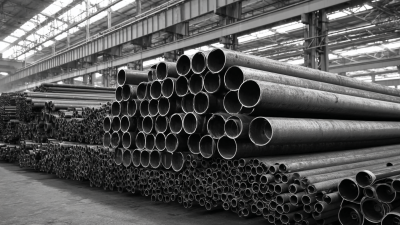
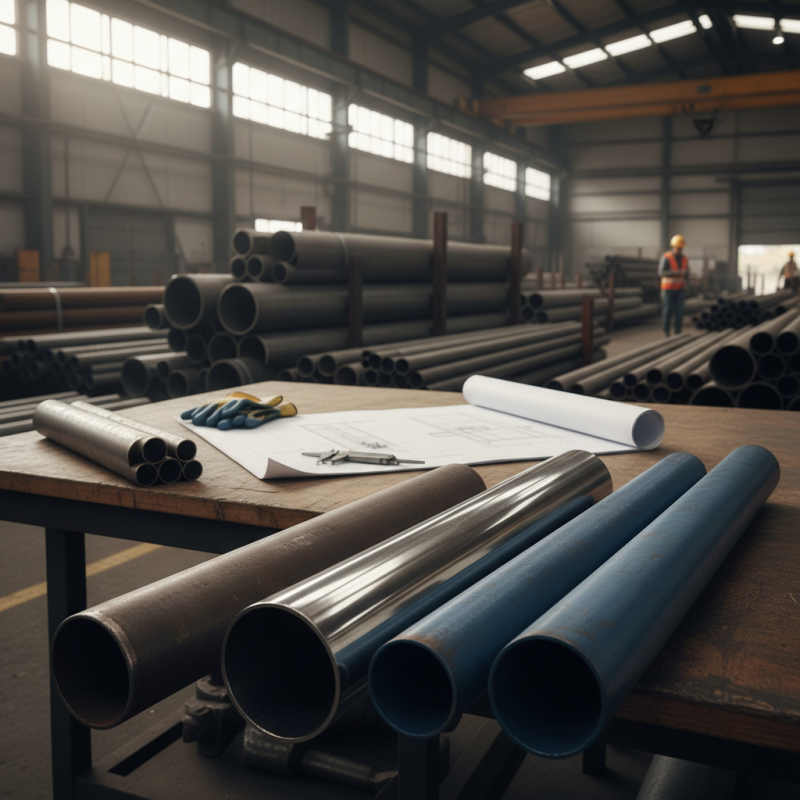
When working on a project that requires steel pipes, it's crucial to understand the various types available and their unique applications. Steel pipes can be categorized into several types, including seamless, welded, and threaded. Each type has its strengths based on operational needs. Seamless pipes are ideal for high-pressure applications due to their lack of joints, while welded pipes are often more cost-effective. Threaded pipes offer convenience in assembly but may not withstand extreme conditions as well.
Tips: Consider the environment where the pipes will be used. For instance, galvanized pipes resist corrosion better than others, making them suitable for outdoor projects. Ensure the pipe's diameter is compatible with your system. Oversized pipes can lead to inefficiencies.
Another factor to weigh is pipe material. Stainless steel is best for food processing. Nevertheless, it requires careful handling to avoid scratches that compromise hygiene. Researching these specifications ensures that you're making informed decisions. Not knowing the specific pipe requirements could lead to costly mistakes or even project delays.
Tips: Always consult with a materials expert when in doubt. Their insights can help clarify limitations and advantages tied to different steel types. Observing industry standards is also essential for compliance and safety. Be mindful of installation practices to avoid future issues with leaks or stress points.
Steel Pipe Types and Their Common Applications
Key Factors to Consider When Selecting Steel Pipe Specifications
When selecting steel pipe specifications, several key factors come into play. One crucial aspect is the type of steel used in the pipe. Different steel grades offer varying levels of strength, corrosion resistance, and suitability for different environments. Understanding these properties is vital. For instance, some projects might require high tensile strength, while others may focus on durability against rust.
Another important consideration is the pipe diameter and wall thickness. These specifications directly impact the pipe's ability to withstand pressure and flow rates. It's essential to calculate the necessary dimensions based on the project's requirements. Inadequate sizing can lead to inefficiencies and potential failures. Furthermore, understanding the standard pipe dimensions can help in deciding the best fit for your project.
It’s also worth reflecting on the end-use of the steel pipe. Will it be exposed to harsh weather or chemicals? These factors should guide your selection process. Often, the decision-making process can become overwhelming, leading to rushed choices. Take the time to evaluate all factors thoroughly. This careful consideration ensures that the chosen steel pipe aligns with both the structural needs and environmental conditions of your project.
The Importance of Material Grade and Standards in Steel Pipe Selection
Choosing the right steel pipe for your project involves understanding material grades and standards. The American Society for Testing and Materials (ASTM) and the American National Standards Institute (ANSI) set essential guidelines.
Common grades include ASTM A106 for carbon steel pipes used in high-temperature applications and ASTM A53 for structural purposes.
Material grade influences strength, durability, and corrosion resistance. For instance, pipes made from grade B steel offer better tensile strength than lower grades. A recent industry report indicated that 70% of project failures stemmed from improper material selection. Notably, many engineers overlook these standards, leading to cost overruns.
While performance is critical, environmental factors matter too. Some projects may benefit from higher grade materials to withstand severe conditions. However, the added cost can be significant. Reflecting on budget constraints versus long-term benefits is essential. Ultimately, understanding these standards helps ensure the robustness and longevity of your project. Misjudgments here can lead to unforeseen challenges down the line.
Analyzing Cost vs. Performance: Finding the Right Balance for Your Project
When selecting a steel pipe for your project, cost and performance are critical factors. Balancing these elements demands careful analysis. A low-cost option may seem appealing initially, but it can lead to higher maintenance costs later. Short-term savings can sometimes obscure long-term expenses. For example, corrosion resistance might be low in cheaper pipes, increasing replacement frequency.
Understanding the project's requirements is essential for informed decision-making. Identify the pressure levels and environmental conditions the pipe will face. If you're working in a corrosive environment, investing in higher-grade steel may be worthwhile. This choice can ensure durability despite the upfront expense. On the flip side, if the requirements are minimal, a standard pipe may suffice.
Manufacturers often provide extensive data on the properties of their products. Reviewing this information can help clarify the trade-offs. Pay attention to factors like yield strength, weight, and flexibility. It’s easy to overlook these details during initial assessments. Sometimes, the cheapest option might lack the necessary attributes for your project, resulting in unexpected issues down the line.
Balancing cost and performance is an ongoing challenge, requiring reflection on specific project goals and constraints.
Understanding Pipe Sizes, Schedules, and Their Impact on Project Outcomes
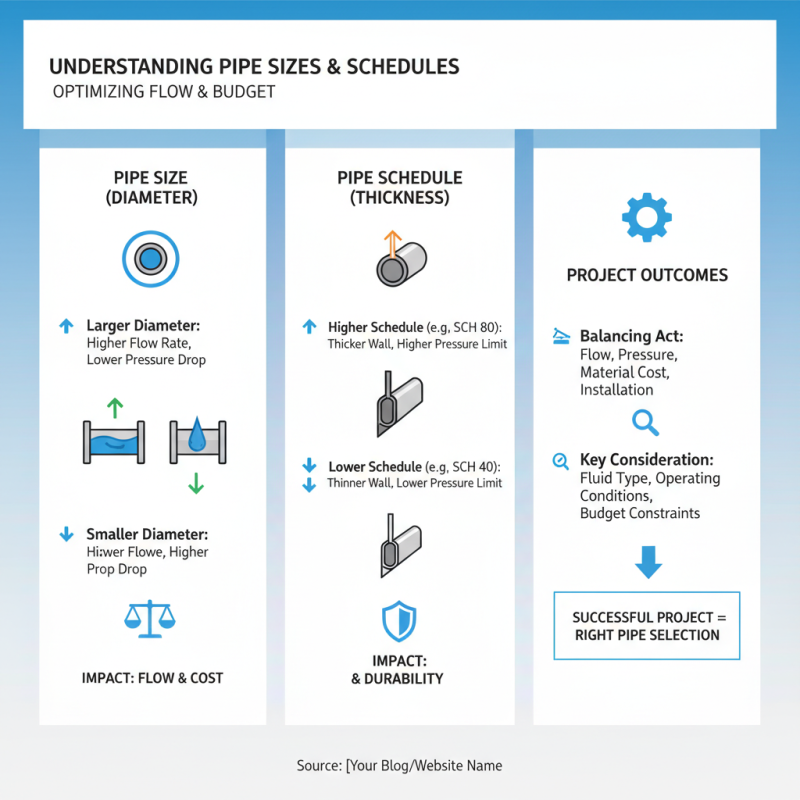
When selecting steel pipes for your project, understanding sizes and schedules is crucial. Pipe sizes, such as diameter and thickness, influence flow rates and pressure limits. For instance, a larger diameter pipe allows for higher fluid flow. However, it may also increase costs. Balancing size and budget is essential.
Schedules denote the pipe's wall thickness. Higher schedule numbers mean thicker walls, impacting both durability and pressure ratings. Sometimes, using a thicker pipe seems like the better choice, but it can complicate installation. Choosing the right schedule ensures you meet project requirements without overspending.
It's vital to assess future needs. A pipe suitable for a current project may not serve well in future expansions. Reflecting on growth and changes can lead to better long-term decisions. Finding the perfect balance between size, schedule, and budget is an ongoing challenge.