How to Choose the Best Copper Pipe for Your Project?
Choosing the right Copper Pipe is crucial for any plumbing project. Not every pipe is made the same. Expert plumber John Smith emphasizes, “The quality of the Copper Pipe can make or break your installation.” His advice rings true for both professionals and DIY enthusiasts.
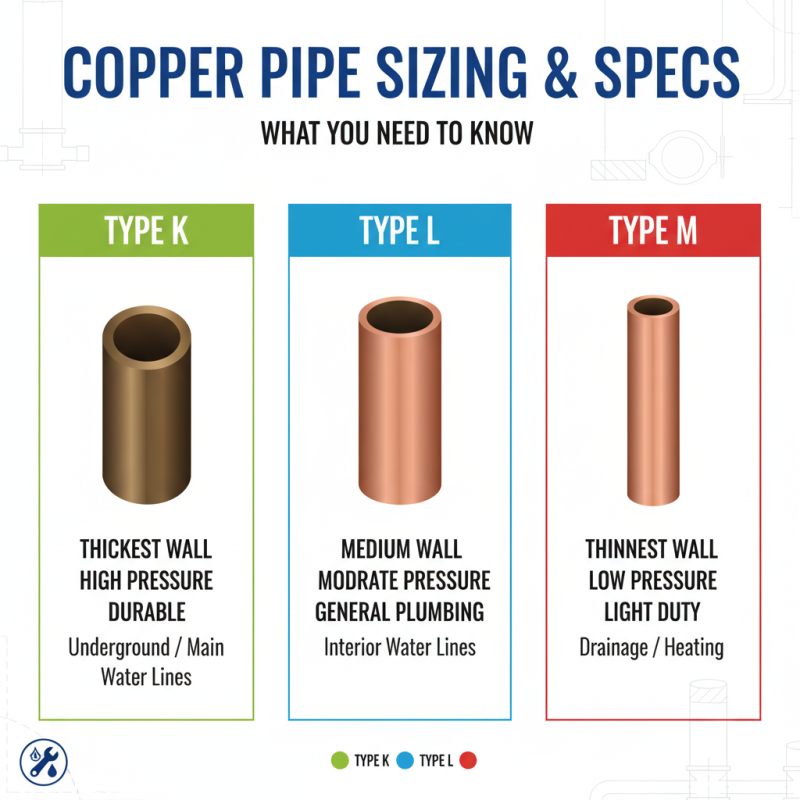
Understanding the types of Copper Pipe available is essential. There are various grades, including Type K, L, and M, each serving different purposes. Type K is thicker and ideal for underground installations, while Type M is lighter and often used for general plumbing. These distinctions matter greatly when considering durability and application.
Additionally, installation techniques can impact performance. Proper soldering and fitting are vital for preventing leaks. It's not just about picking the right Copper Pipe; it's about knowing how to use it effectively. Mistakes in installation can lead to costly repairs. Thoughtful consideration here can ensure longevity and reliability in your plumbing systems.
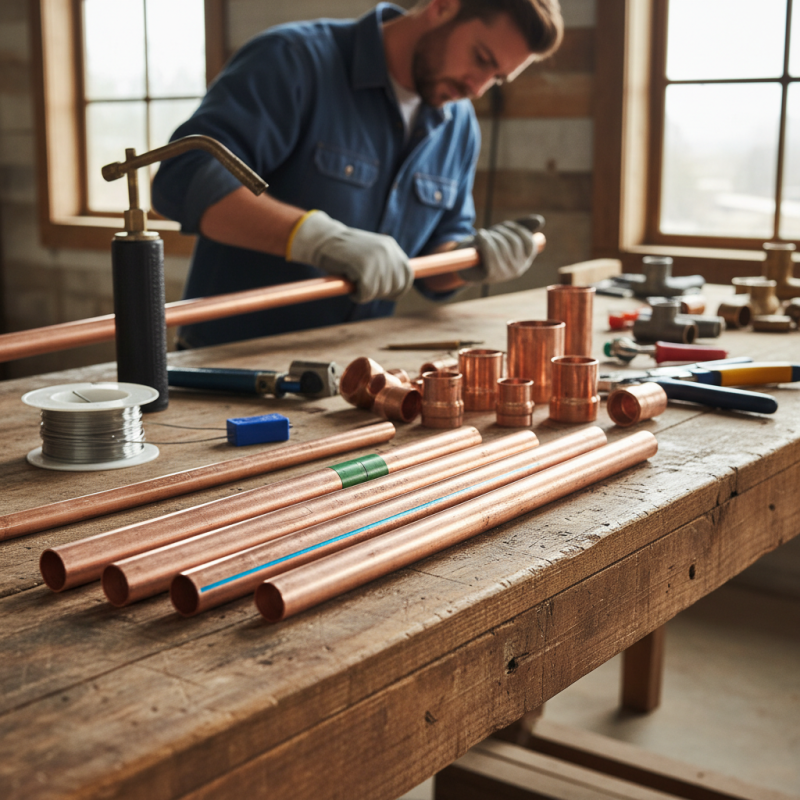
Factors to Consider When Choosing Copper Pipe for Your Project
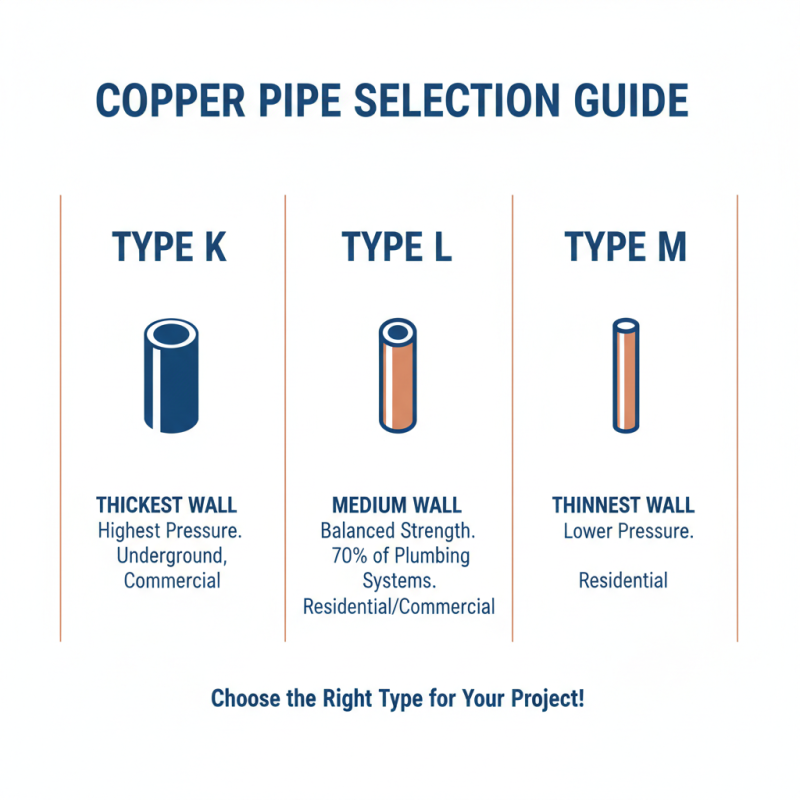
When selecting copper pipes for your project, several critical factors come into play. First, the type of copper pipe matters. There are three main types: Type K, Type L, and Type M, each with different wall thicknesses and pressure ratings. Type K is the thickest and most durable, suitable for underground and high-pressure applications, whereas Type M is the thinnest, often used in residential projects. According to industry reports, approximately 70% of plumbing systems utilize Type L due to its balance between strength and affordability.
Next, consider corrosion resistance. Copper pipes tend to resist corrosion, but they can still develop issues over time. The Environmental Protection Agency indicates that water with a low pH can increase corrosion rates. This insight urges project planners to test water chemistry before installation. Additionally, not all installations require the same level of resistance. For example, heating systems may benefit from thicker pipes that endure higher temperatures, while smaller fixtures might not.
Lastly, evaluate the pipe's flexibility and ease of installation. Copper pipes can be soldered or joined with fittings, but not all projects allow for easy assembly. The learning curve for soldering may deter some DIY enthusiasts. A study from the Copper Development Association reveals that nearly 30% of new users struggle with installation techniques. These challenges highlight the importance of experience and reliable sources of information. Balancing these considerations will lead to a more successful and resilient plumbing project.
Types of Copper Pipes: Overview of K, L, and M Grades
When selecting copper pipes for plumbing or HVAC systems, understanding the types available is crucial. The three main grades are K, L, and M. Each grade has distinct characteristics that affect performance and reliability.
Grade K copper pipe is the thickest and most robust. It is often used for underground installations. Its greater wall thickness provides superior strength and durability. However, this also makes it more expensive. It may not always be necessary for smaller projects where lighter options suffice.
Grade L copper pipe has a medium thickness. This makes it suitable for most residential applications. It balances affordability and durability, making it a favored choice among professionals. Reports indicate it accounts for about 60% of copper pipe used in residential settings. Lastly, Grade M copper pipe is the thinnest. It is ideal for lighter-duty applications, but it has limited pressure limits.
Choosing the right grade impacts both costs and performance. Each project might require a specific type based on its demands. Always consider your project’s unique needs before deciding.
How to Choose the Best Copper Pipe for Your Project?
This chart illustrates the comparison of different grades of copper pipes (K, L, and M) based on their wall thickness and common applications. This information can help you select the most suitable copper pipe for your plumbing or HVAC project.
Applications of Copper Pipes in Plumbing and HVAC Systems
Copper pipes are widely used in plumbing and HVAC systems due to their exceptional properties. They are durable, resistant to corrosion, and can withstand high temperatures. These features make copper an ideal choice for both hot and cold water supply lines. In plumbing, copper pipes are often used for drinking water systems. Their antibacterial properties keep water clean and safe.
In HVAC systems, copper pipes are essential for refrigerant lines. They efficiently transfer heat, contributing to energy efficiency. Additionally, copper is easy to solder and connect, which simplifies installation. However, some may struggle with the costs associated with copper materials. It's essential to weigh the benefits against your budget.
While copper pipes offer many advantages, installation can be tricky for beginners. It requires specific tools and skills. Mistakes can lead to leaks or system failure. Therefore, understanding the application is crucial. Knowing when to call a professional can save you money and time.
Sizing and Specifications: What You Need to Know
When selecting the right copper pipe for your project, understanding sizing and specifications is crucial. Copper pipes come in various types: Type K, L, and M. Each type has different wall thicknesses, affecting pressure and durability. Type K is thickest and often used for underground or main water service lines.
Pipe size matters too. Copper pipes are measured by diameter. A larger diameter allows for a greater flow rate, but it may not fit smaller spaces. Remember to consider the specific needs of your project. You might find that a smaller size works just as well, but compromises can lead to inefficiency.
Professional advice can be invaluable. Speak with experts who know the practical applications of each type. Their experience can unveil details you might not initially consider. Stay aware that sometimes a common choice may not be the best for your unique situation, leading to oversights. Each project is different, and the right copper pipe can make a real difference.
Cost vs. Benefits: Evaluating Different Copper Pipe Options
Choosing the right copper pipe involves understanding the cost versus benefits of various options. Copper pipes come in different types: Type K, Type L, and Type M, each with unique applications.
Type K is thick-walled and best for underground installations. Type L is versatile and suitable for both hot and cold water systems. Meanwhile, Type M is thinner and often used for residential applications.
According to the National Association of Home Builders, the price of copper fluctuates. Currently, it ranges from $3 to $5 per pound, which can impact project costs significantly.
When evaluating options, consider the long-term benefits. Copper has excellent thermal conductivity, which means it retains heat well, often resulting in reduced energy costs. A study by the Copper Development Association suggests that copper pipes can last over 50 years with proper installation, making them a reliable choice. However, the upfront cost can be higher compared to alternatives like PVC.
Tips for your project: Think about the local climate when choosing the type of copper pipe. In colder regions, Type K is preferred for freeze resistance. Also, assess the installation environment; tighter spaces may benefit from Type L due to its flexibility. Lastly, always check for local plumbing codes as they may dictate the use of specific types. This can save you from potential issues down the line.