2026 How to Choose the Right Carbon Steel Flange for Your Project?
When embarking on a project that requires a Carbon Steel Flange, selecting the right type is crucial. Experts in the field emphasize the importance of this decision. James Thompson, a renowned engineer, states, "The right flange can make or break a project." Understanding the characteristics of different flanges is essential.
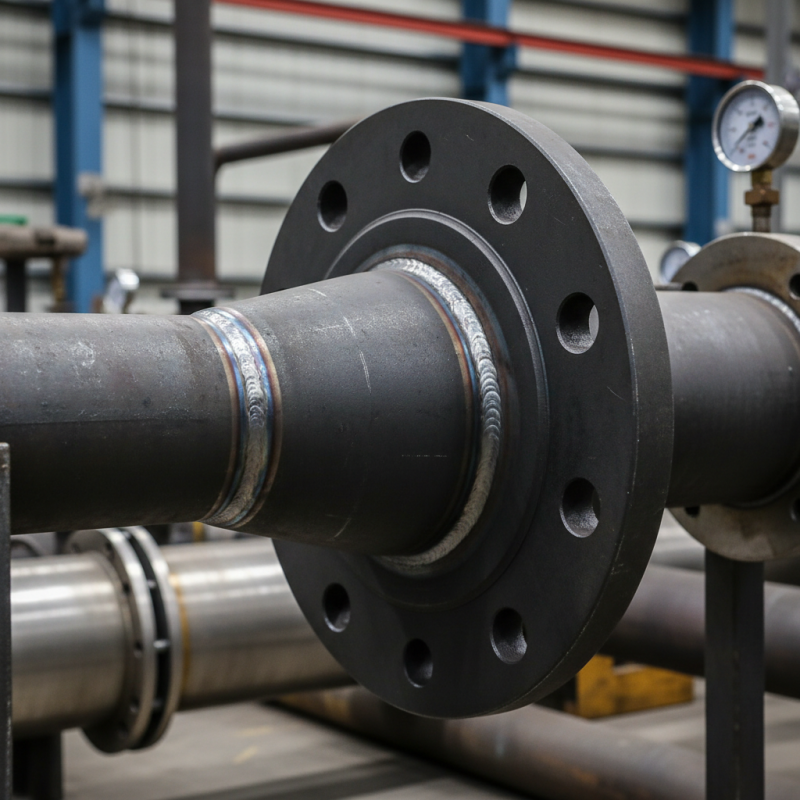
Carbon Steel Flanges come in various designs, sizes, and ratings. Each type serves a specific purpose in piping systems. For instance, the choice between weld neck and slip-on flanges can impact your project's overall integrity. It is vital to consider factors such as pressure, temperature, and the medium being transported.
Many project leaders overlook these details, leading to complications. A misstep in choosing a Carbon Steel Flange can result in leaks, failures, or even safety hazards. It is imperative to re-evaluate your options. Expertise and careful selection can prevent costly mistakes and ensure project success.

Understanding Carbon Steel Flanges: Types and Applications
When selecting a carbon steel flange, understanding the types and their applications is crucial. Carbon steel flanges come in various shapes, each designed for specific needs. For instance, welded neck flanges are ideal for high-pressure applications. They provide excellent strength and are suitable for thick pipes. However, they require careful welding skills to ensure integrity.
Another type, slip-on flanges, are easier to install. They are often used in low to medium-pressure systems. While they are less expensive than welded flanges, they may not withstand extreme conditions. It’s essential to balance your project's requirements with the flange type you choose.
Choosing the wrong flange can lead to leaks or failures. Consider the environment and substance flowing through the pipes. Corrosion can be a significant issue. Think about using protective coatings to enhance longevity. Ultimately, evaluating the specific demands of your project will guide you to the right carbon steel flange.
Key Factors to Consider When Selecting a Carbon Steel Flange
Choosing the right carbon steel flange is crucial for project success. Several key factors should guide your selection process. First, consider the pressure rating. Flanges are rated based on how much pressure they can withstand. According to the ASME B16.5 standard, common ratings include Class 150, Class 300, and Class 600. Higher ratings usually mean thicker flanges, but they can also increase costs.
Another essential factor is the flange's material grade. Carbon steel flanges come in various grades, impacting strength and corrosion resistance. For instance, ASTM A105 is common for low-temperature applications, but A350 LF2 might be better for cryogenic services. Understanding your project's specific requirements is vital.
Tips: Always check compatibility with your piping system. Don't overlook the environment where the flange will be used. Despite standard specifications, real-world conditions can affect performance.
Lastly, pay attention to flange dimensions. Flanges must fit not just physically but also match the intended use. If dimensions are off, leaks can occur, leading to potential project delays. Choosing the right flange is about balancing specifications and real needs. Regular reviews during the selection process can highlight any oversights or mistakes before it's too late.
Evaluating Pressure Ratings and Specifications for Flanges
Selecting the right carbon steel flange involves careful evaluation of pressure ratings and specifications. Understanding the pressure rating is critical. Most carbon steel flanges conform to the American National Standards Institute (ANSI) specifications. Common ratings include 150, 300, and 600 PSI. A 150 PSI flange is typically sufficient for low-pressure applications. However, for high-pressure scenarios, like those exceeding 300 PSI, a higher rating is essential.
It's important to remember that choosing a flange isn't merely about the pressure rating. Each application has unique requirements. Factors like temperature, corrosion, and medium type play a significant role. For instance, high-temperature applications may require flanges made from different materials. The Flange Standards Guide, published in 2021, indicates that around 40% of flange failures relate to improper specifications.
Many engineers often overlook detailed standards when selecting flanges. ANSI or API standards should dictate choices. A miscalculation in pressure ratings can lead to costly failures. Several reports emphasize that nearly 30% of flange leaks result from insufficient knowledge of pressure ratings. A well-informed choice can enhance the reliability and safety of the project.
Corrosion Resistance: Choosing Flanges for Challenging Environments
Corrosion resistance is critical for flanges in challenging environments. In industries like oil and gas, equipment often faces harsh conditions. Over 50% of maintenance issues are due to corrosion in piping systems. Choosing the right carbon steel flange can mitigate these risks, ensuring the longevity of your project.
Consider the environment where your flanges will be installed. High humidity, acidic media, and temperature fluctuations can accelerate corrosion. A recent industry report by the Corrosion Engineers Association indicates that carbon steel flanges exposed to corrosive settings can lose 20% of their structural integrity in less than a year. Assessing specific factors such as location and application is essential. Not all carbon steel options are equal; some offer better corrosion resistance.
Utilize coatings for additional protection. Epoxy and polyurethane coatings can enhance a flange's lifespan significantly. However, not every project allows for these coatings. Flanges need a careful balance between strength and resistance. Failure to account for environmental conditions can lead to costly replacements and downtime. Ultimately, taking these factors into account is necessary to ensure optimal performance.
Best Practices for Installation and Maintenance of Carbon Steel Flanges
Installing and maintaining carbon steel flanges requires attention to detail. Understanding industry guidelines can help prevent errors. A report from the American Society of Mechanical Engineers shows that improper installation can lead to leakage rates exceeding 10%. These leaks can cause high maintenance costs and safety issues.
Clean the flanges and inspect for damage before installation. Use appropriate gaskets for sealing. The American National Standards Institute recommends using a torque wrench during installation. This ensures that bolts are tightened correctly. Do not overtighten, as this can warp the flange. Aim for a torque specification based on flange size and material.
Regular maintenance is crucial for longevity. Check for corrosion and wear at least once a year. Corrosion rates for carbon steel in humid environments can reach 1-2 mm per year. Implementing a protective coating can reduce these rates significantly. Monitoring these factors will help maintain the integrity of your project. Adjustments and repairs may be necessary over time, reflecting the need for a proactive approach.