Why Choose Alloy Pipe for Your Industrial Needs?
In the industrial sector, choosing the right material is crucial. Alloy Pipe has gained prominence for its robust properties. This type of pipe offers strength, corrosion resistance, and versatility. Designed for various applications, Alloy Pipe meets the demands of industries such as oil, gas, and construction. The unique composition of alloy materials enhances durability, allowing for long-lasting performance.
Furthermore, Alloy Pipe is often more cost-effective over time. Its resilience against wear and tear reduces the frequency of replacements. Industries benefit from reduced downtime and maintenance costs. However, it's essential to consider specific requirements when selecting this material. Not all alloy pipes are created equal, and understanding the variations is key. Opting for the right Alloy Pipe involves evaluating factors such as temperature, pressure, and chemical exposure.
In a constantly evolving industrial landscape, keeping up with material advancements is vital. Choosing Alloy Pipe can be an excellent decision, but not without careful consideration. Reflect on the unique needs of your project for optimal performance. Balancing cost and quality is always a challenge, yet Alloy Pipe often provides a reliable solution.
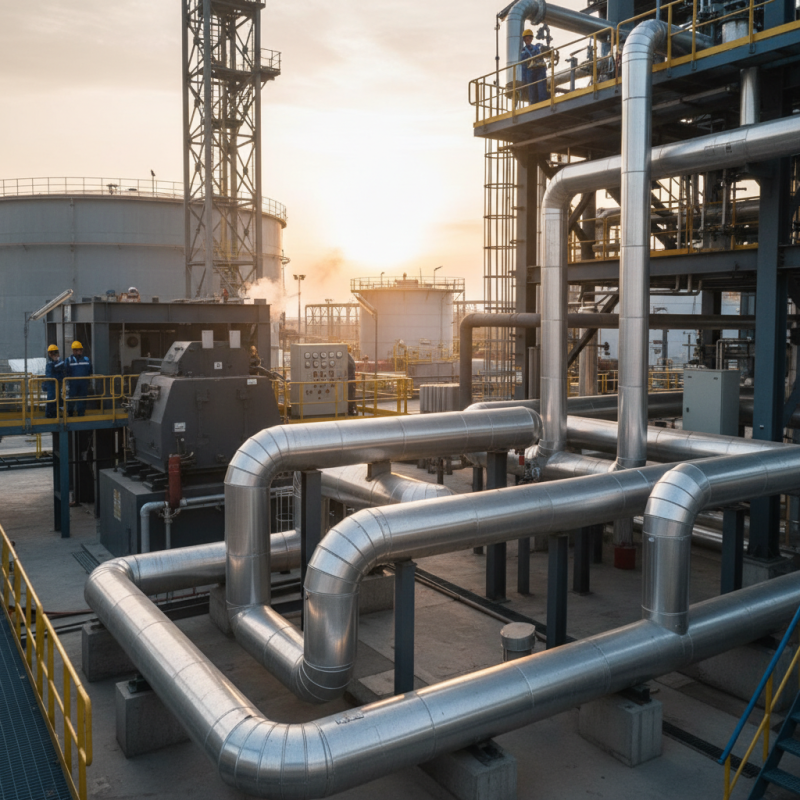
Benefits of Using Alloy Pipe in Industrial Applications
Alloy pipes are gaining traction in industrial applications due to their unique properties. According to a recent market report, alloy steel pipelines are expected to grow by 6.5% annually through 2025. This growth can be attributed to the pipes' durability and resistance to extreme temperatures. These features make alloy pipes suitable for industries such as petrochemical and energy.
One compelling benefit of alloy pipes is their strength-to-weight ratio. They are typically lighter yet stronger than traditional materials, making them easier to handle and install. This advantage translates into cost savings during transportation and labor. Additionally, a study from the American Society of Mechanical Engineers highlights that alloy pipes have a longer lifespan, reducing the frequency of replacements and maintenance.
However, choosing alloy pipes is not without its challenges. The initial cost can be higher than other materials. Some industries may hesitate to invest heavily upfront. Moreover, the manufacturing standards can vary. Ensuring consistent quality across suppliers is crucial. Businesses must conduct thorough supplier evaluations to mitigate these risks. The long-term benefits, however, often justify the investment.
Why Choose Alloy Pipe for Your Industrial Needs? - Benefits of Using Alloy Pipe in Industrial Applications
| Property |
Description |
Benefits |
| Durability |
Alloy pipes are designed to withstand high pressure and extreme temperatures. |
Longer lifespan, reduced maintenance costs. |
| Corrosion Resistance |
Manufactured with materials that resist rust and corrosion. |
Enhanced performance in harsh environments. |
| Strength |
Higher tensile and yield strength compared to standard steel pipes. |
Capable of handling greater loads and pressures. |
| Heat Resistance |
Suitable for high-temperature applications without degrading. |
Ideal for boilers, heat exchangers, and other applications. |
| Weight |
Lighter than traditional steel options while maintaining strength. |
Easier handling and transportation, lowering installation costs. |
| Cost-effectiveness |
Long-term savings due to durability and lower maintenance needs. |
Reduced total cost of ownership. |
Types of Alloy Materials Commonly Used in Pipe Manufacturing
In industrial applications, alloy pipes are widely used due to their versatility and strength. Common alloy materials include stainless steel, carbon steel, and alloy steel. Each material has specific properties that suit various environments and applications. For example, stainless steel pipes resist corrosion and maintain structural integrity under high temperatures. This is crucial in industries like oil and gas, where harsh conditions prevail.
Carbon steel pipes are another popular choice. They offer high strength and durability at an affordable price. According to a report from the World Steel Association, carbon steel accounts for nearly 50% of global steel production. This indicates its importance in pipe manufacturing. However, carbon steel can be susceptible to rust if not properly coated, which presents a need for ongoing maintenance.
Alloy steel pipes combine the strengths of various metals. They provide excellent resistance to wear and fatigue. They are often used in heavy-duty applications, such as the construction and automotive industries. However, alloy steel can be more expensive to produce, which can lead to budget constraints for some projects. Manufacturers need to weigh these trade-offs carefully when selecting materials for their specific needs.
Advantages of Different Alloy Materials in Pipe Manufacturing
Key Properties of Alloy Pipes That Enhance Performance
Alloy pipes are instrumental in various industrial applications. Their unique properties make them a preferred choice for many industries. These pipes typically offer superior strength, durability, and resistance to corrosion.
According to a 2021 report from the Alloy Steel Association, alloy pipes demonstrate a tensile strength up to 20% greater than their carbon steel counterparts. This strength is essential in environments with high pressure and temperature variations.
Corrosion resistance is another significant benefit. The addition of elements like chromium and nickel improves the resistance to rust and degradation. A study conducted by the Materials Research Society indicates that proper alloy compositions can extend the life of pipes by 30%. This durability ultimately results in lower overall maintenance costs.
Heat resistance is also noteworthy. Alloy pipes can withstand higher temperatures, making them suitable for industries like oil and gas. However, it’s essential to select the correct alloy composition based on specific applications. Not all alloys perform equally well under extreme conditions, and improper selection can lead to failures. Regular assessments and material testing can mitigate these risks and enhance reliability.
Applications of Alloy Pipes Across Various Industries
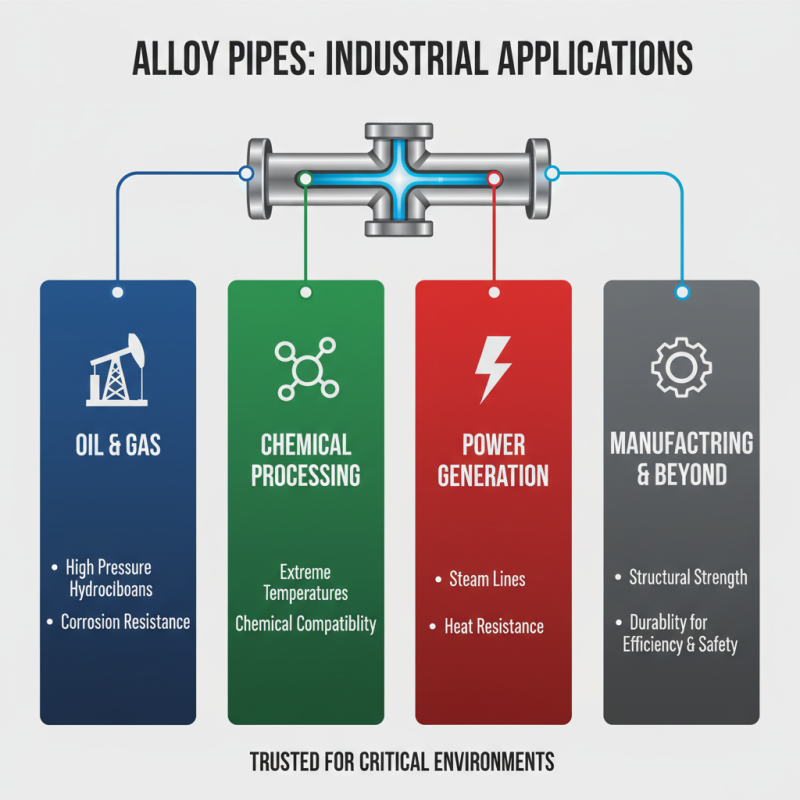
Alloy pipes are increasingly chosen for a variety of industrial applications due to their superior properties. They’re designed to withstand high pressures and extreme temperatures. This makes them ideal for oil and gas, chemical processing, and power generation sectors. Many industries rely on the strength and durability of these pipes to ensure operational efficiency and safety.
For example, in the petrochemical industry, alloy pipes are crucial for transporting corrosive materials. Their resistance to corrosion ensures longevity and reliability. In manufacturing, these pipes are vital for hydraulic systems, where minimal leakage is paramount. Yet, while alloy pipes offer many advantages, they can be costly. This factor necessitates careful consideration and analysis before procurement.
In the aerospace sector, the lightweight nature of alloy pipes plays a significant role in design and performance. They help reduce overall weight, which improves fuel efficiency. However, the specific choice of alloy must be made thoughtfully, as not all alloys will meet the stringent standards required for aviation. Ultimately, the selection of the right alloy pipe is vital, reflecting the complexity of industrial needs.
Maintenance and Longevity Considerations for Alloy Pipes
Alloy pipes are increasingly favored in industrial applications due to their exceptional durability and resistance to corrosion. However, the maintenance and longevity of these pipes are critical for optimal performance. According to a report by the American Society of Mechanical Engineers, proper maintenance can extend the lifespan of alloy pipes by up to 30%.
Regular inspections are essential to identify wear and corrosion early, ensuring reliability over time.
Tip: Implement a routine inspection schedule to catch potential issues before they escalate. Regular checks can save costs in the long run.
Additionally, alloy pipes have better temperature and pressure tolerances compared to traditional materials. A study from the National Association of Corrosion Engineers shows that alloy pipes can withstand higher thermal stresses, reducing the risk of failure. Still, operators must be mindful of the specific conditions these pipes are exposed to, as factors like extreme temperatures can affect their longevity.
Tip: Consider environmental factors when selecting alloy pipes. Assessing the operating conditions is crucial to make informed decisions.
Regular maintenance practices, like cleaning and protective coatings, contribute significantly to their longevity. While there are clear benefits, the initial costs of alloy pipes can be higher than other materials. This requires careful evaluation of long-term benefits versus upfront investment. Striking the right balance is essential for asset longevity and operational efficiency.