Best Steel Pipe Supply Options for Global Buyers?
In today's global market, the demand for quality steel pipe supply options is ever-increasing. Buyers seek reliable sources for industrial projects, construction, and more. Navigating this vast landscape can be challenging. Many suppliers claim to offer the best pipes, but not all meet rigorous standards.
Understanding the nuances of steel pipe supply is essential. Factors such as material quality and supplier reputation significantly impact project outcomes. Buyers should not only compare prices but also assess the expertise of suppliers. A low-cost option might compromise quality. Thus, vigilance is necessary.
Buyers often overlook the importance of reliable partnerships. Consistent supply lines ensure timely project completion. Engaging with reputable suppliers can mitigate risks. However, this requires careful selection. Reflecting on past experiences can help buyers make informed choices. Balancing price and quality is no small task, but vital for long-term success.
Factors to Consider When Choosing Steel Pipe Suppliers
Choosing the right steel pipe supplier is crucial for global buyers. Quality and reliability come first. Buyers should evaluate supplier certifications and industry standards. Look for suppliers with a proven track record in the steel industry. Their experience often reflects their ability to deliver.
Pricing is another key factor. While low prices are attractive, they can indicate lower quality. It's essential to balance cost with the pipe's durability. Investigating reviews and past client feedback can provide insights. This information helps to assess the supplier’s reputation in the market.
Lastly, consider logistics and support. A supplier with strong logistics can ensure timely delivery. Efficient communication is also vital. A supplier's responsiveness to inquiries can indicate their commitment to customer service. Ensure they provide clear information on shipping terms and conditions. These factors can greatly influence your purchasing experience.
Top Global Steel Pipe Manufacturers and Their Offerings
The global steel pipe market is expanding, influenced by various industries, from construction to energy. According to a recent report from a leading market research firm, the steel pipe segment is expected to grow at a CAGR of over 5% between 2023 and 2028. This growth is driven by increased infrastructure investment and rising demand for oil and gas.
Renowned manufacturers from different regions offer diverse products. From seamless to welded pipes, each type serves specific applications. A notable trend is the rising use of energy-efficient and environmentally-friendly production methods. Buyers often seek suppliers who comply with international quality standards, which indicates a commitment to reliability.
Nevertheless, challenges remain. The fluctuating prices of raw materials can impact manufacturing costs. Additionally, supply chain disruptions are concerning global buyers. Awareness of these issues is crucial for making informed purchasing decisions. Buyers should prioritize companies with transparent operations and comprehensive solutions. This approach ensures a more sustainable partnership.
Best Steel Pipe Supply Options for Global Buyers
| Manufacturer Location |
Annual Production Capacity (Metric Tons) |
Pipe Types Offered |
Key Markets |
Certifications |
| China |
1,200,000 |
Seamless, Welded, ERW |
Asia, Europe, North America |
ISO 9001, API 5L |
| USA |
900,000 |
Welded, Spiral welded |
North America, Middle East |
ASTM, API 5L |
| India |
800,000 |
Seamless, ERW |
Asia, Africa |
ISO 9001, OHSAS 18001 |
| Germany |
500,000 |
Seamless, Welded |
Europe, Asia |
DIN, ISO 9001 |
| Japan |
700,000 |
Welded, ERW |
Asia, North America |
JIS, ISO 9001 |
Comparative Analysis of Pricing and Quality in Steel Pipe Supply
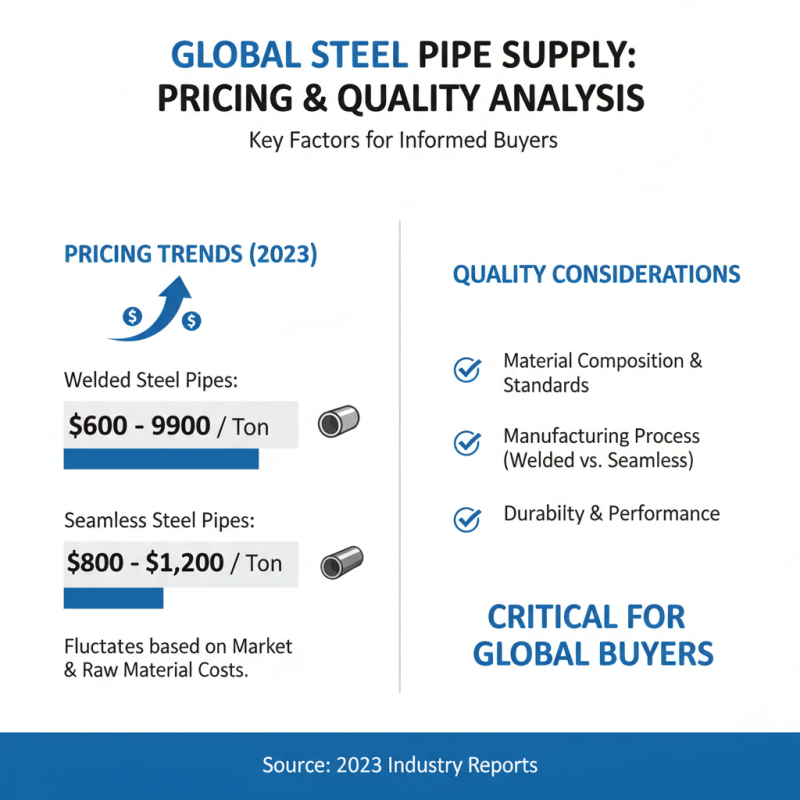
When evaluating the best steel pipe supply options, pricing and quality remain critical factors for global buyers. Recent industry reports indicate that the average price of steel pipes fluctuates based on market conditions and raw material costs. For example, in 2023, the price of welded steel pipes can vary from $600 to $900 per ton. In contrast, seamless steel pipes often command higher prices, ranging from $800 to $1,200 per ton. Understanding these dynamics helps buyers make informed decisions.
Quality differences among steel pipe suppliers are also significant. Reports show that up to 30% of imported steel pipes may not meet international standards. This inconsistency raises concerns about durability and safety, especially in critical applications like construction and oil transport. A deeper analysis reveals that suppliers with ISO certifications tend to produce higher-quality products. However, even certified suppliers can occasionally deliver subpar materials, emphasizing the need for rigorous inspection and testing processes.
Price is not the only consideration. Quality assurance plays a major role in the long-term performance of steel pipes. Buyers must balance cost and reliability. Ultimately, the selection of a steel pipe supplier should consider both pricing trends and potential quality challenges. Making choices based on comprehensive data analysis fosters more sustainable procurement practices in the steel pipe market.
Logistics and Transportation Solutions for Steel Pipe Delivery
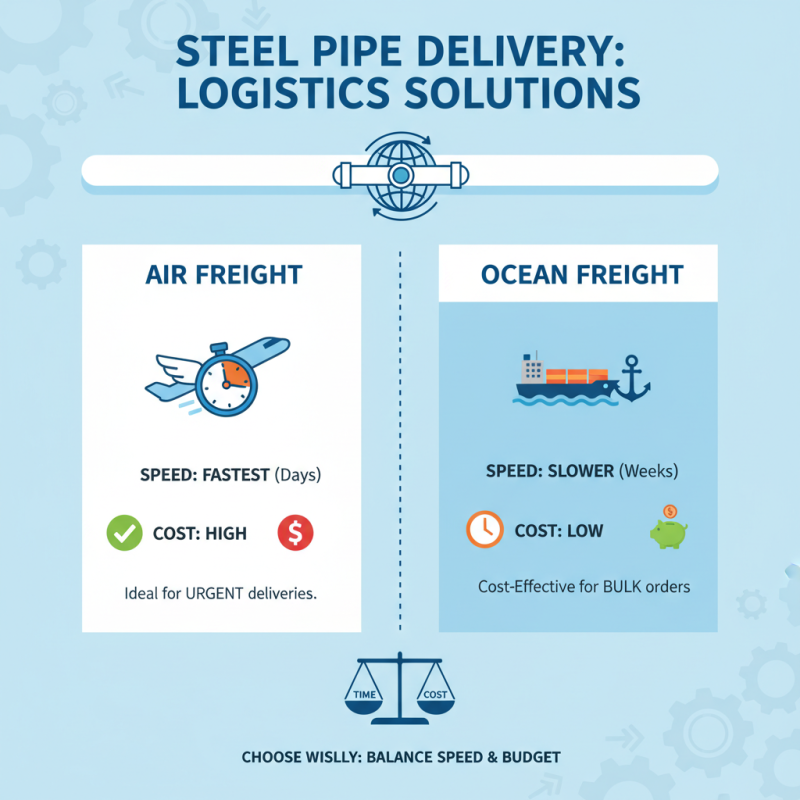
When it comes to sourcing steel pipes, logistics and transportation are crucial. Global buyers face challenges in ensuring timely delivery. Choosing the right shipping method can significantly impact costs and efficiency. Air freight may save time but it’s more expensive. On the other hand, ocean freight is cost-effective but slower, often taking weeks.
A reliable logistics partner can help navigate these complexities. It's essential to consider port facilities and local infrastructure. Some regions are less equipped, leading to delays. Clear communication with suppliers about shipping times is vital. Mistakes can lead to extended lead times, impacting projects.
Tracking shipments is another area for improvement. Implementing real-time tracking helps in monitoring delays. However, not all suppliers offer this service. Buyers should demand transparency. Ultimately, the logistics process must be seamless to maintain supply chain integrity. Addressing these issues proactively can elevate buyer experience and confidence.
Sustainability Practices in Steel Pipe Manufacturing and Supply Chains
Sustainability in steel pipe manufacturing is a crucial focus for global buyers today. Environmental concerns drive companies to adopt greener practices. Reducing waste and lowering emissions are top priorities. Many manufacturers are exploring recycled materials to minimize their carbon footprint. This approach not only benefits the environment but also enhances supply chain efficiency.
Energy consumption in steel production is another significant issue. Innovations in technology allow for optimized energy use during manufacturing. Yet, not all companies embrace these advancements. Some larger manufacturers remain set in traditional methods, posing questions about their long-term viability. Transparency in sourcing materials remains a challenge. Buyers seek suppliers who can trace the origins of their steel, ensuring ethical practices.
Collaboration between stakeholders is essential for progress. Creating sustainable supply chains requires joint efforts among producers, suppliers, and consumers. Some companies have initiated programs focusing on lower emissions. However, there’s still much work to do. The road to sustainability is not without obstacles, and reflection on current practices is necessary for meaningful change.
Best Steel Pipe Supply Options for Global Buyers
This chart illustrates the sustainability practices score of various countries involved in steel pipe supply. A higher score indicates better practices in terms of environmental sustainability within manufacturing and supply chains.