2026 Best Seamless Steel Pipe Buying Guide for Global Suppliers?
When navigating the complexities of the seamless steel pipe industry, clarity is essential. As industry expert John Smith asserts, "Selecting the right seamless steel pipe can determine the success of your project." This statement underscores the vital role that quality material plays in construction and manufacturing.
The seamless steel pipe market is increasingly competitive. Suppliers must distinguish themselves by understanding product specifications and industry standards. Buyers often face challenges in choosing the right supplier due to varying quality and pricing. It’s essential to consider not just the product, but also supplier reliability, expertise, and service standards.
Effective procurement involves thorough research. Buyers should evaluate potential partners through careful scrutiny of their experience and reputation. This journey is filled with pitfalls. Mistakes can lead to increased costs and project delays. Thus, buyers must prioritize informed decision-making when investing in seamless steel pipes. Leveraging expert insights helps in navigating these waters successfully.
Understanding Seamless Steel Pipe Specifications and Standards
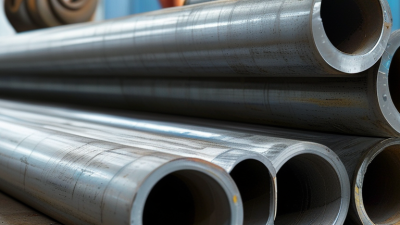
Understanding seamless steel pipe specifications and standards is crucial for buyers. These pipes come in various grades, sizes, and finishes. Each specification serves different applications. Knowing the right standards ensures safety and performance in various industries. For example, ASTM A106 and ASTM A53 are widely recognized standards in the U.S. market.
When purchasing seamless steel pipes, consider the material grade. Different grades indicate the strength and corrosion resistance of the pipes. This impacts the durability and lifespan of the final product. Consult with industry experts to align your choices with project requirements.
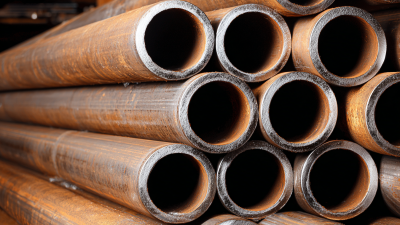
Checking for certifications is essential. Reliable suppliers should provide certificates that align with industry standards. Certifications like ISO or API can assure quality. Details matter. Look for information on the pipe’s size, wall thickness, and finish. Knowing these specifications helps eliminate costly mistakes.
Tips: Always ask for sample materials. Conduct physical inspections whenever possible. This ensures the quality meets your expectations. Reflect on past purchases. Learning from experience can guide better decisions next time.
2026 Best Seamless Steel Pipe Specifications Comparison
Market Trends and Demand Analysis for Seamless Steel Pipes in 2026
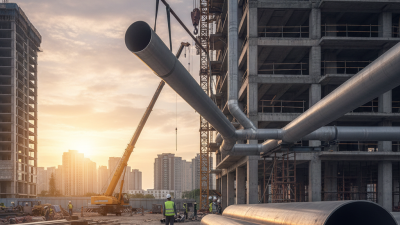
As the demand for seamless steel pipes continues to rise, understanding market trends in 2026 is essential. Industries such as construction, automotive, and energy are driving this growth. These sectors require high-quality, durable materials. Seamless steel pipes meet these specifications due to their superior strength and resistance to pressure. They play a crucial role in oil and gas transportation, wastewater management, and structural applications.
In 2026, manufacturers need to be aware of changing customer preferences. Buyers are increasingly focused on sustainability and environmental impact. Companies that can offer eco-friendly production processes will have a competitive edge. Innovations in manufacturing could lead to new methods that reduce waste and carbon emissions. However, adapting to these trends may require significant investment and planning. Many suppliers might struggle with the rapid pace of change in technology and consumer expectations.
Furthermore, fluctuating raw material costs pose a challenge. Steel prices can vary widely, impacting production budgets. Suppliers must develop strategies for cost management to avoid losses. This intricate balance of demand, cost, and innovation will shape the seamless steel pipe market in 2026.
2026 Best Seamless Steel Pipe Buying Guide for Global Suppliers
| Dimension (inches) |
Wall Thickness (mm) |
Material Grade |
Length (m) |
Supply Status |
Market Demand (Tons) |
| 1/2 |
3.5 |
ASTM A106 Gr.B |
6 |
In Stock |
15000 |
| 3/4 |
4.0 |
ASTM A53 Gr.B |
6 |
Limited Stock |
8000 |
| 1 |
5.0 |
API 5L X42 |
12 |
In Stock |
22000 |
| 1 1/4 |
5.5 |
ASTM A106 Gr.C |
6 |
Pre-Order |
12000 |
| 1 1/2 |
6.0 |
API 5L X52 |
12 |
In Stock |
18000 |
Key Factors Influencing the Price of Seamless Steel Pipes Globally
When considering the purchase of seamless steel pipes, several key factors significantly influence their price. Market demand plays a crucial role. High demand often leads to price hikes, particularly in industries like construction and oil and gas. Price volatility can be challenging for buyers. Understanding market trends becomes essential to make informed decisions.
Raw material costs are another critical factor. The price of steel directly affects the overall cost of seamless pipes. Fluctuations in iron ore and scrap steel prices can lead to unpredictable shifts in pipe pricing. Buyers should be aware of these indicators and monitor them regularly.
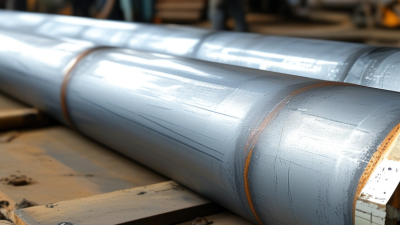
Manufacturing processes also contribute to cost variations. The complexity of producing seamless pipes can result in varying price points. Pipes made using advanced technologies or specific grades often demand higher prices. Evaluating the manufacturing quality is vital for ensuring reliability. Buyers may sometimes overlook this aspect, leading to costly mistakes.
Quality Control Measures and Certifications for Seamless Steel Pipes
When sourcing seamless steel pipes, quality control measures and certifications are paramount. The global demand for these pipes continues to rise, driven by industries like oil and gas, construction, and manufacturing. A report from Mordor Intelligence suggests that the seamless steel pipe market is expected to grow by over 5% annually through 2025. This underscores the importance of reliable supply chains that prioritize quality.
Certifications such as ISO 9001 and API 5L play a critical role in ensuring product reliability. Manufacturers that adhere to these standards demonstrate a commitment to quality management. Steel pipes with these certifications undergo rigorous testing that includes pressure tests and dimensional checks. Understanding these quality benchmarks helps suppliers mitigate risks related to material failures.
However, the pursuit of quality is not without challenges. Many manufacturers may struggle with inconsistent testing practices or lack of certification. It's crucial for buyers to engage in thorough due diligence when vetting suppliers. Not all seamlessly produced pipes are created equal, and overlooking certification details can lead to significant issues down the line. Fostering a culture of transparency and accountability within the supply chain is essential for maintaining high standards in product quality.